Flood Insurance vs Homeowners Insurance
One of the most common and costly misconceptions in insurance is assuming that homeowners insurance covers flood damage. In most cases, it does not.
Understanding the difference between homeowners insurance and flood insurance is critical, especially in areas with storm exposure, heavy rainfall, or drainage risks.
The Core Difference
This distinction is where many claims are either approved or denied.
What Homeowners Insurance Typically Covers
Homeowners insurance is designed to cover sudden and accidental damage, including certain types of water damage that originate داخل the home.
- Burst pipes
- Accidental plumbing leaks
- Water damage from appliances
- Roof leaks caused by covered events (such as storms)
For a broader understanding, review what homeowners insurance covers.
What Homeowners Insurance Does NOT Cover
Flooding is generally excluded from standard homeowners policies.
- Rising water from outside the home
- Storm surge
- Overflowing rivers or lakes
- Heavy rainfall causing ground-level flooding
This is one of the most important exclusions to understand. You can review more in what homeowners insurance does not cover.
What Flood Insurance Covers
Flood insurance is designed specifically to cover damage caused by rising water entering the home from outside.
- Damage to the structure caused by flooding
- Certain systems such as electrical and plumbing
- Limited personal property coverage depending on the policy
Flood insurance is typically purchased as a separate policy.
Real World Example
Two similar water events can have completely different outcomes:
- A pipe bursts inside your home and causes water damage → typically covered by homeowners insurance
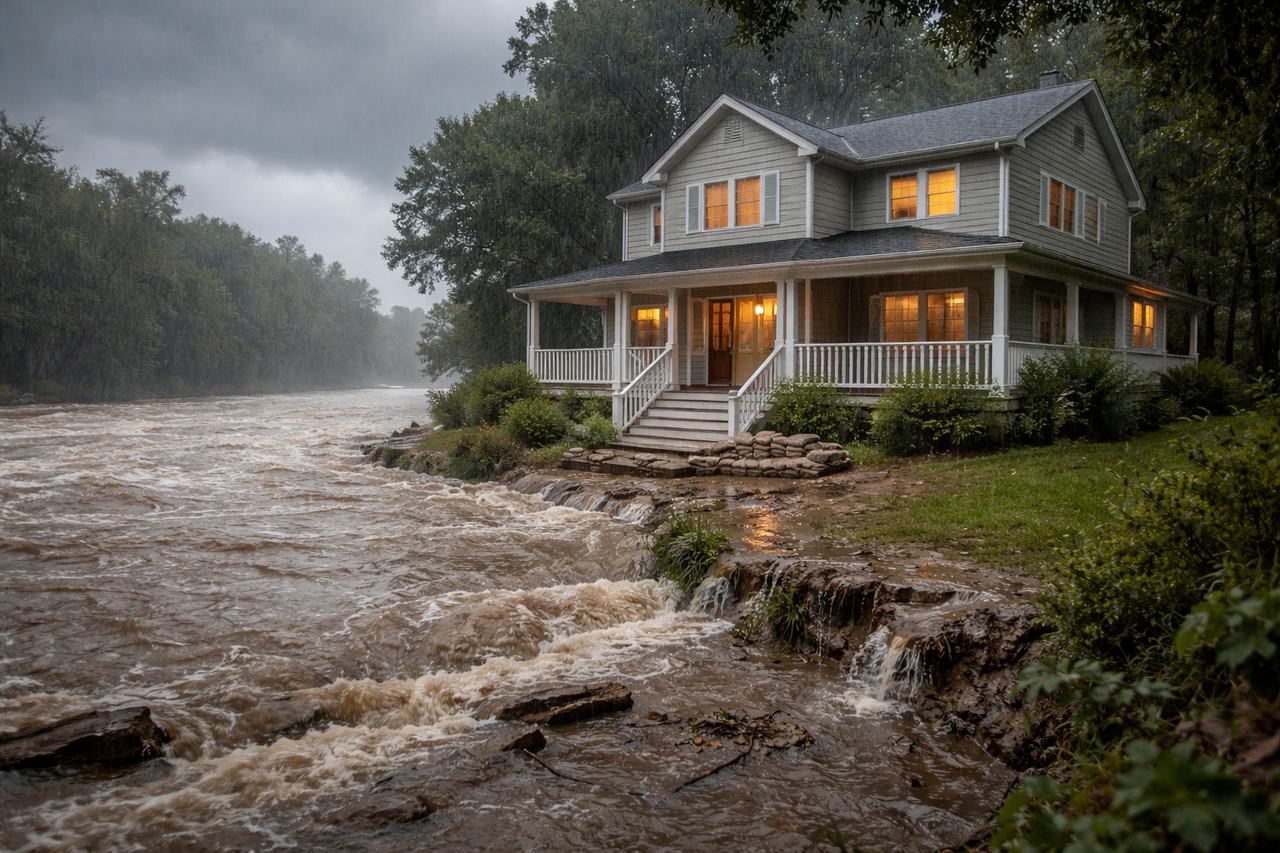
- Heavy rain causes water to enter your home from outside → typically requires flood insurance
The source of the water is what determines coverage.
Why This Matters So Much
Flood damage can be extremely expensive, and many homeowners only realize they are not covered after a loss occurs.
- Repairs can be costly and extensive
- Personal property losses can add up quickly
- Recovery time can be longer without proper coverage
This makes understanding your policy structure essential before a claim ever happens.
Do You Need Flood Insurance?
You may want to consider flood insurance if:
- Your property is in a flood-prone or coastal area
- You are in a region with heavy rainfall or drainage issues
- Your lender requires it
- You want additional protection beyond standard homeowners coverage
Even properties outside of designated flood zones can experience flooding.
How This Connects to Claims
Flood-related claims are one of the most common areas of confusion during the claims process.
Understanding whether damage is classified as flood or standard water damage can determine whether a claim is approved or denied.
To better understand what happens after damage occurs, review the homeowners insurance claims process.
How Coverage Structure Impacts Your Financial Risk
Choosing the right combination of homeowners insurance and flood insurance is not just about compliance. It is about managing financial risk.
Without proper coverage, flood damage can become a significant out of pocket expense.
Understanding how your policy is structured alongside your mortgage can also impact long term affordability. For more on financing and escrow, visit 360 Mortgage.
Missouri, Kansas, and Coastal Considerations
Flood risk varies significantly by location.
- Missouri and Kansas may experience flooding from heavy rain, rivers, or drainage issues
- Coastal areas face additional exposure from storm surge and hurricanes
Local conditions should always be considered when evaluating whether flood coverage is appropriate.
For regional guidance, visit:
Related Homeowners Insurance Guides
Review Your Coverage Before You Need It
If you are unsure whether your current policy protects you from flood risk, we can help you review your coverage and identify any gaps.
Frequently asked questions
What should I know about Flood Insurance vs Homeowners Insurance?
Flood Insurance vs Homeowners Insurance should be reviewed in the context of your actual risk, not only the lowest premium. Policy language, endorsements and carrier appetite can change the practical answer.
How can I avoid coverage gaps?
Share accurate property, vehicle, business or rental details with your agent, review exclusions and ask how deductibles and limits would apply in a realistic claim.
When should I request a review?
Request a review before renewals, after major purchases, after property changes, when adding rentals or vehicles, or any time your financial exposure changes.

Missouri and Kansas Insurance Agent
Work With Tracy Fitch
Missouri and Kansas clients can work with Tracy Fitch, a property and casualty licensed insurance agent with more than a decade of insurance experience. Tracy helps clients review coverage, compare options, request policy changes, and understand next steps for home, auto, landlord, umbrella, renters, boat, RV, and business insurance.
Office: 212 W Mill St, Liberty, MO 64068
Email tfitch@hensonagency.com or call 816-479-4189.