
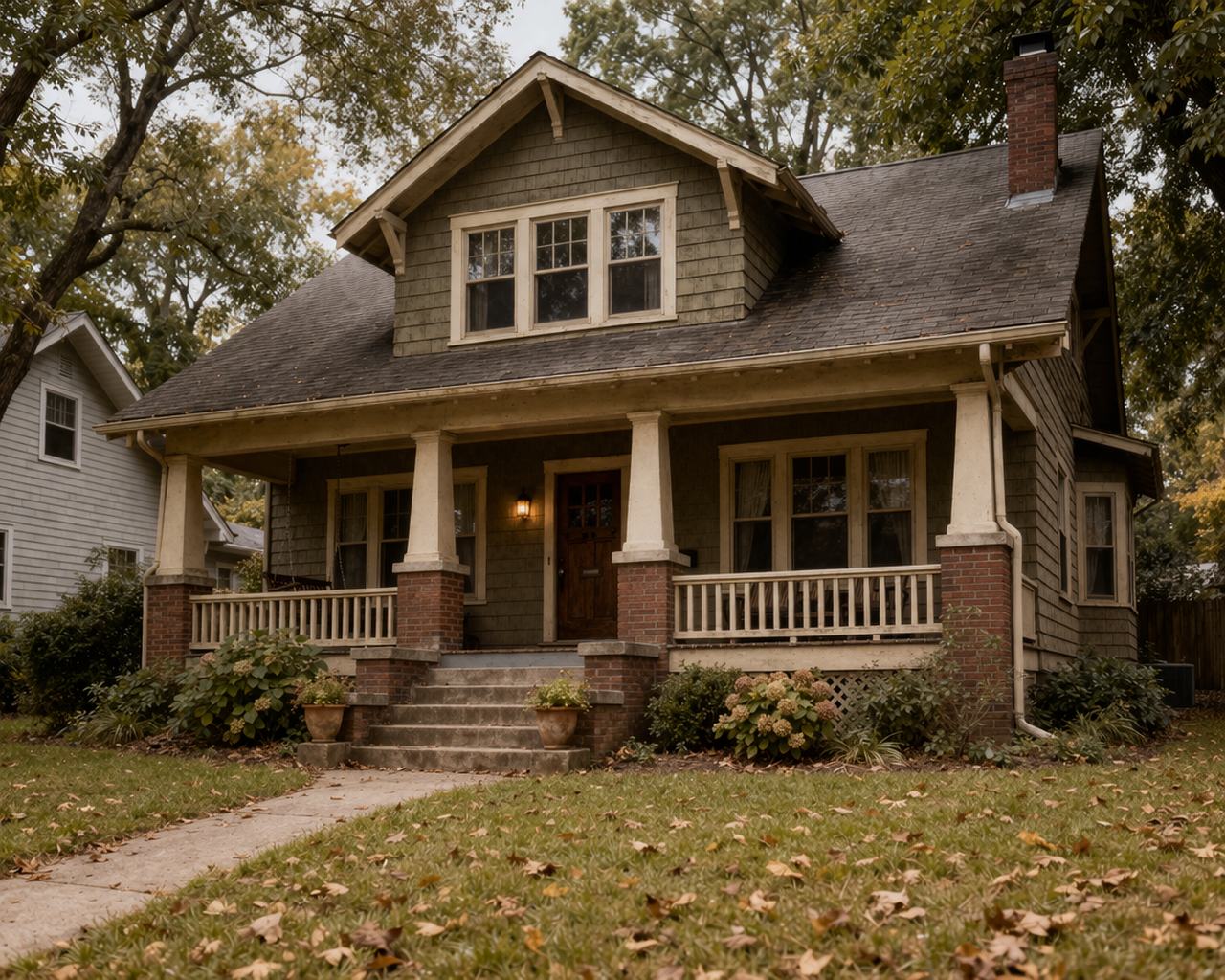
Homeowners Insurance for Older Homes
Older homes often come with character, charm, and unique construction details. They also come with different insurance considerations that can affect coverage, eligibility, and cost.
If your home is several decades old, or even over 100 years old, understanding how insurers evaluate older properties is essential to getting the right protection.
Why Older Homes Are Treated Differently
Insurance companies evaluate risk, and older homes tend to carry more uncertainty due to aging systems and materials.
- Outdated electrical systems
- Aging plumbing
- Older roofing materials
- Construction methods that are no longer standard
These factors increase the likelihood of claims, which is why insurers look more closely at older properties.
The Biggest Risk Factors Insurers Look At
Most underwriting decisions come down to whether the critical systems have been updated.
- Roof: Age, material, and condition
- Electrical: Panel type, wiring, and safety
- Plumbing: Material and leak risk
- HVAC: Functionality and age
A well-maintained older home can often be insured more easily than a newer home with deferred maintenance.
Replacement Cost Can Be Higher
Older homes often cost more to rebuild than newer homes due to:
- Custom or outdated construction methods
- Harder-to-source materials
- Labor required to match original features
This makes understanding replacement cost vs actual cash value especially important.
Common Coverage Limitations
Some policies may include restrictions or modifications for older homes.
- Limited roof coverage based on age
- Actual cash value instead of replacement cost for certain components
- Higher premiums due to perceived risk
Review what homeowners insurance does not cover to understand potential limitations.
Renovations and Updates Improve Insurability
Updating key systems can significantly improve both eligibility and pricing.
- Replacing an older roof
- Upgrading electrical panels and wiring
- Modernizing plumbing systems
- Improving overall property condition
These updates reduce risk and make the home more attractive to insurers.
Older Homes and Claims Risk
Older homes may have a higher likelihood of certain types of claims.
- Water damage from aging plumbing
- Electrical-related issues
- Roof leaks or structural wear
Understanding the claims process can help you prepare for how these situations are handled.
Historic Homes vs Standard Older Homes
There is an important distinction between older homes and historic homes.
- Older homes: Simply aged properties with standard insurance options
- Historic homes: May require specialized coverage due to preservation requirements
Historic designation can affect rebuilding requirements and costs significantly.
How to Lower Insurance Costs on Older Homes
While older homes may carry higher premiums, there are ways to manage costs.
- Upgrade major systems
- Maintain the property consistently
- Bundle policies when possible
- Adjust deductibles appropriately
For more strategies, review ways to save on homeowners insurance.
Liability Still Applies
Regardless of age, liability coverage remains a critical part of any homeowners policy.
- Injuries on the property
- Property damage involving others
- Legal exposure
Learn more about liability coverage.
How This Impacts Buying and Financing
Insurance costs and eligibility can directly impact home buying decisions, especially for older properties.
Lenders may require proof of insurability before closing, and higher insurance costs can affect monthly affordability.
For financing strategies and guidance, visit 360 Mortgage.
Missouri and Kansas Older Housing Stock
Many homes in Missouri and Kansas, especially in areas like Kansas City, are older properties with unique characteristics.
- Historic neighborhoods with aging infrastructure
- Wide variation in renovation quality
- Different risk profiles depending on updates
Understanding local housing stock is important when evaluating insurance options.
For regional guidance, visit:
Related Homeowners Insurance Guides
- Homeowners Insurance Overview
- For New Homeowners
- Replacement Cost vs ACV
- Claims Process
- Ways to Save
Get the Right Coverage for Your Home’s Condition
If you own or are buying an older home, we can help you evaluate your options and structure a policy that fits the property.
Frequently asked questions
What should I know about Homeowners Insurance for Older Homes?
Homeowners Insurance for Older Homes should be reviewed in the context of your actual risk, not only the lowest premium. Policy language, endorsements and carrier appetite can change the practical answer.
How can I avoid coverage gaps?
Share accurate property, vehicle, business or rental details with your agent, review exclusions and ask how deductibles and limits would apply in a realistic claim.
When should I request a review?
Request a review before renewals, after major purchases, after property changes, when adding rentals or vehicles, or any time your financial exposure changes.

Missouri and Kansas Insurance Agent
Work With Tracy Fitch
Missouri and Kansas clients can work with Tracy Fitch, a property and casualty licensed insurance agent with more than a decade of insurance experience. Tracy helps clients review coverage, compare options, request policy changes, and understand next steps for home, auto, landlord, umbrella, renters, boat, RV, and business insurance.
Office: 212 W Mill St, Liberty, MO 64068
Email tfitch@hensonagency.com or call 816-479-4189.