Kansas Commercial Auto Insurance
Kansas commercial auto insurance should be reviewed as part of the business, not just as a vehicle purchase requirement. If a Kansas business uses pickups, vans, box trucks, delivery vehicles, or employee-driven autos for work, the commercial auto policy needs to reflect how those vehicles support operations. That includes the driver list, garaging, radius of use, physical-damage needs, hired and non-owned auto exposure, and whether the business should review commercial auto together with general liability or a business owners policy.
If you need the statewide coverage hub first, use the Kansas insurance page. If the operation is more Missouri-centered, use Missouri commercial auto insurance. If you are building out the broader business coverage conversation, pair this page with Kansas general liability insurance, the core BOP page, and claims advocacy.
Who should use this page
Kansas businesses with company vehicles, employee driving exposure, contractor autos, service fleets, or regular work-use that goes beyond a personal auto setup.
Most common weak point
Businesses often focus on titled vehicles but miss hired and non-owned auto exposure, real driver patterns, or how the vehicles connect to other liability coverage.
Best next step
Use this page to define the business-auto problem clearly, then move into liability, BOP, and quote pages with better context.
Why Kansas commercial auto is usually more than a quote exercise
Many small businesses begin by asking for a premium because they need to get the vehicles insured quickly. That is understandable, but the stronger process is to identify what the autos are actually doing for the business before comparing price. A landscaping company, HVAC company, restoration contractor, electrician, mobile service firm, delivery setup, and professional-services business with occasional employee driving may all use vehicles differently enough that the policy structure should not be identical. Even if the vehicles look similar on paper, the operating pattern can change the exposure meaningfully.
This matters because auto claims can spill into other parts of the business. A crash or liability claim can create schedule disruption, lost revenue, client issues, replacement-vehicle pressure, and broader lawsuit concerns at the same time. A thin auto policy may therefore create a much bigger operational problem than the owner expected.
Kansas business coverage pages that work well with commercial auto
Commercial auto is stronger when it is reviewed in context with the policies that absorb the rest of the business risk.
Questions Kansas businesses should answer before binding commercial auto
A sound business-auto review usually starts with a short list of operational questions. Who drives the vehicles, and how often? Are the autos owned by the business, leased, financed, rented, or occasionally borrowed? Are employees ever using their own vehicles for work errands, client meetings, or jobsite visits? Where are the vehicles garaged overnight? How far are they traveling for normal operations? Are they carrying tools, ladders, inventory, or specialized equipment that changes the risk? Those answers often matter more than the initial quote number.
Kansas businesses that skip those questions can still end up with a policy in force, but the mismatch often shows up later in underwriting, during a renewal review, or worst of all after a claim. The goal is not to overcomplicate a small fleet. The goal is to make sure the policy assumptions and the business reality are not quietly drifting apart.
Hired and non-owned auto exposure deserves a direct review
This is one of the most useful commercial-auto distinctions to get right. Many businesses think only about the units titled in the company name. But if an employee uses a personal car for business tasks, if the company rents a vehicle occasionally, or if there is any borrowed-auto exposure in the workflow, the exposure may not be limited to the autos that appear on the schedule. That does not automatically mean the same answer is right for every business. It does mean the question should be addressed intentionally.
Once that question is on the table, it becomes easier to coordinate commercial auto with general liability and a BOP where needed. That coordination is often the difference between a quote-focused conversation and a genuinely useful one.
When Kansas businesses should review commercial auto with other policies
If the business depends heavily on its vehicles, the auto conversation usually cannot stay isolated. A contractor, field-service company, or property-focused business often needs to think about tools, stored materials, third-party damage, client-site liability, and service interruption at the same time. That is why Kansas business owners should often review commercial auto with the rest of the business package rather than treating it as a separate shopping exercise.
For some businesses that means moving next into Kansas general liability insurance. For others it means packaging the conversation through the BOP page. If the concern is what happens after the claim starts, the agency’s claims advocacy page helps explain why agency involvement still matters even when the carrier is doing the formal adjusting.
Need Kansas commercial auto reviewed around real business use?
Tell us what the vehicles do for the business, who drives them, where they are garaged, and whether any employee-owned or rented autos are part of operations. We can help you structure the review correctly.
Frequently asked questions about Kansas commercial auto insurance
Do all Kansas business vehicles need a commercial auto policy?
Not every situation is identical, but genuine business use should be reviewed carefully rather than assumed into a personal auto policy. The more central the vehicle is to operations, the more important a commercial-auto-specific review becomes.
What kinds of businesses most often need hired and non-owned auto reviewed?
Service firms, contractors, field teams, mobile professionals, and businesses where employees occasionally run work-related errands in personal vehicles are common examples.
Why should commercial auto be reviewed with general liability or a BOP?
Because a vehicle incident can create broader business liability, property, and operations issues that do not live neatly inside the auto line alone.
Missouri and Kansas Insurance Agent
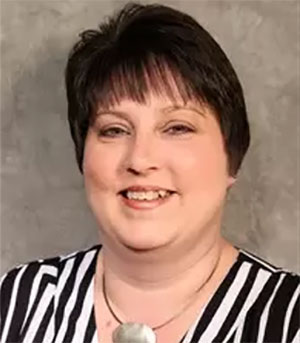
Work With Tracy Fitch
Missouri and Kansas clients can work with Tracy Fitch, a property and casualty licensed insurance agent with more than a decade of insurance experience. Tracy helps clients review coverage, compare options, request policy changes, and understand next steps for home, auto, landlord, umbrella, renters, boat, RV, and business insurance.
Office: 212 W Mill St, Liberty, MO 64068
Email tfitch@hensonagency.com or call 816-479-4189.