
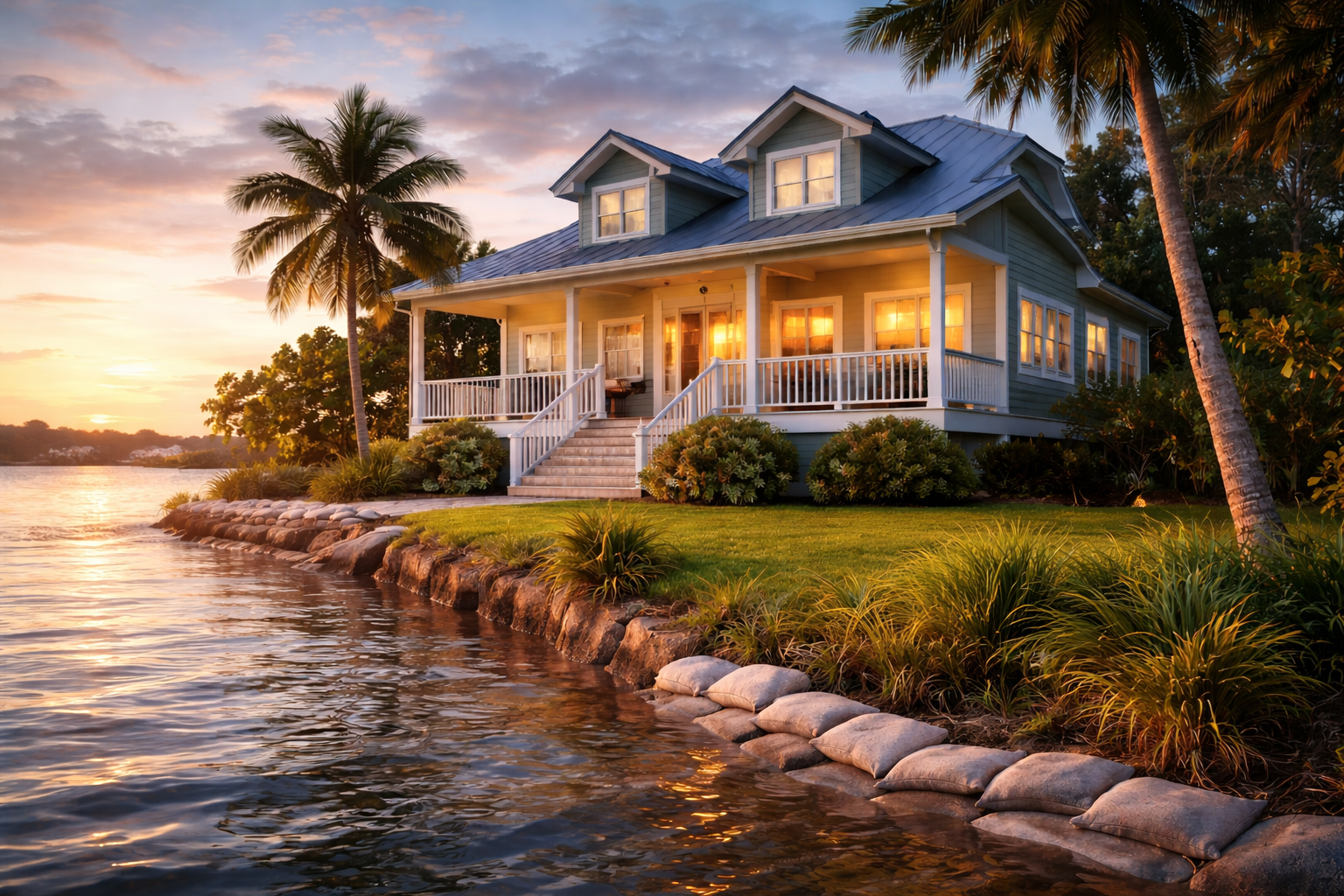
Flood Insurance in Missouri and Kansas
Flood damage is one of the most common coverage surprises for homeowners because standard homeowners insurance typically does not cover flooding. Flood insurance is a separate policy designed to protect your home and belongings from flood related losses, whether the water comes from heavy rain, rising water, or drainage issues.
What Flood Insurance Covers
Flood insurance can help pay for covered repairs and replacement after flood damage. Coverage varies by policy, carrier, and limits, but most flood policies focus on two core areas.
- Building coverage: Structure, foundation, electrical, plumbing, HVAC, major appliances, and built in components.
- Contents coverage: Personal property such as furniture, clothing, and certain household items, depending on the policy.
What Homeowners Insurance Usually Does Not Cover
Many people assume water damage is always covered, but homeowners insurance is generally built around sudden and accidental events inside the home, not flooding from outside. That is why it is important to understand how the two policies differ.
For a clear side by side explanation, see flood insurance vs homeowners insurance.
NFIP vs Private Flood Insurance
Flood insurance may be available through the National Flood Insurance Program or through private flood insurance carriers. Each option has tradeoffs.
- NFIP flood insurance: Often the default option, especially in higher risk flood zones. Limits and coverage terms are standardized.
- Private flood insurance: May offer different limits, pricing, or coverage features depending on underwriting and property characteristics.
We help you compare the practical differences and choose the option that fits your property and risk profile.
Who Should Consider Flood Insurance
Flood insurance is not only for beachfront homes. Flood losses can happen far from the coast due to rainfall patterns, creeks, drainage systems, and changes in development.
- Homeowners in mapped flood zones or areas with lender flood requirements
- Homes near canals, lakes, retention ponds, or low lying areas
- Properties with prior flood claims or known water intrusion history
- Buyers who want protection even when it is not required
What Impacts Flood Insurance Cost
- Flood zone and elevation data used for rating
- Building type and foundation style
- Coverage limits and deductible choices
- Replacement cost factors and property characteristics
- Prior loss history, if applicable
Waiting Periods and Timing
Flood policies can have waiting periods before coverage begins, depending on the policy type and purchase context. If you are buying a home, planning renovations, or approaching storm season, it is smart to evaluate options early.
Claims and Documentation
After a loss, documentation matters. Photos, inventory lists, and repair estimates can speed up the process and reduce disputes. If you want a broader overview of how claims typically work across policy types, review our insurance claims guide for auto vs home vs renters.
Flood Insurance in Missouri
Missouri flood risk often comes from heavy rain, river and creek overflow, drainage backups, and localized flooding events. Even when flood coverage is not required, many homeowners and landlords choose it as a risk management tool.
Flood Insurance in Kansas
Kansas flood exposure can be driven by rainfall patterns, drainage systems, and neighborhood development that changes runoff behavior over time. A quick review of flood coverage options can prevent expensive surprises.
FAQs
Is flood insurance required?
It depends. Some mortgages require it based on flood zone determinations, but many owners choose it voluntarily for protection.
Does homeowners insurance cover flooding from heavy rain?
In most cases, no. Homeowners policies generally exclude flooding from outside the home. A flood policy is usually required for that type of loss. See flood insurance vs homeowners insurance for details.
Can landlords buy flood insurance for rental property?
Yes. Building coverage can protect the structure, and contents coverage may apply if the owner has covered contents at the property. Tenant personal property is typically the tenant’s responsibility through renters insurance.
What is the difference between water damage and flood damage?
Water damage usually refers to sudden accidental events inside the home, like a pipe burst. Flood damage generally refers to rising water or water entering from outside. The policy response differs, so it matters how the loss is classified.
Related Insurance & Helpful Links
- Flood Insurance vs Homeowners Insurance – Coverage comparison and common misunderstandings.
- Home Insurance – Core protection for owner occupied homes.
- Umbrella Insurance – Extra liability protection above standard limits.
- Specialty Property Insurance – Coverage options for non standard homes.
Related Audiences We Serve
Get a Flood Insurance Quote
If you want clarity on flood exposure and coverage options, we can help you compare NFIP and private flood insurance choices and coordinate coverage with your homeowners policy.
Request a Flood Insurance Quote
Coverage availability, limits, exclusions, waiting periods, and underwriting requirements vary by carrier and policy. This page is for general informational purposes only and does not describe all terms or conditions of any specific insurance policy.