
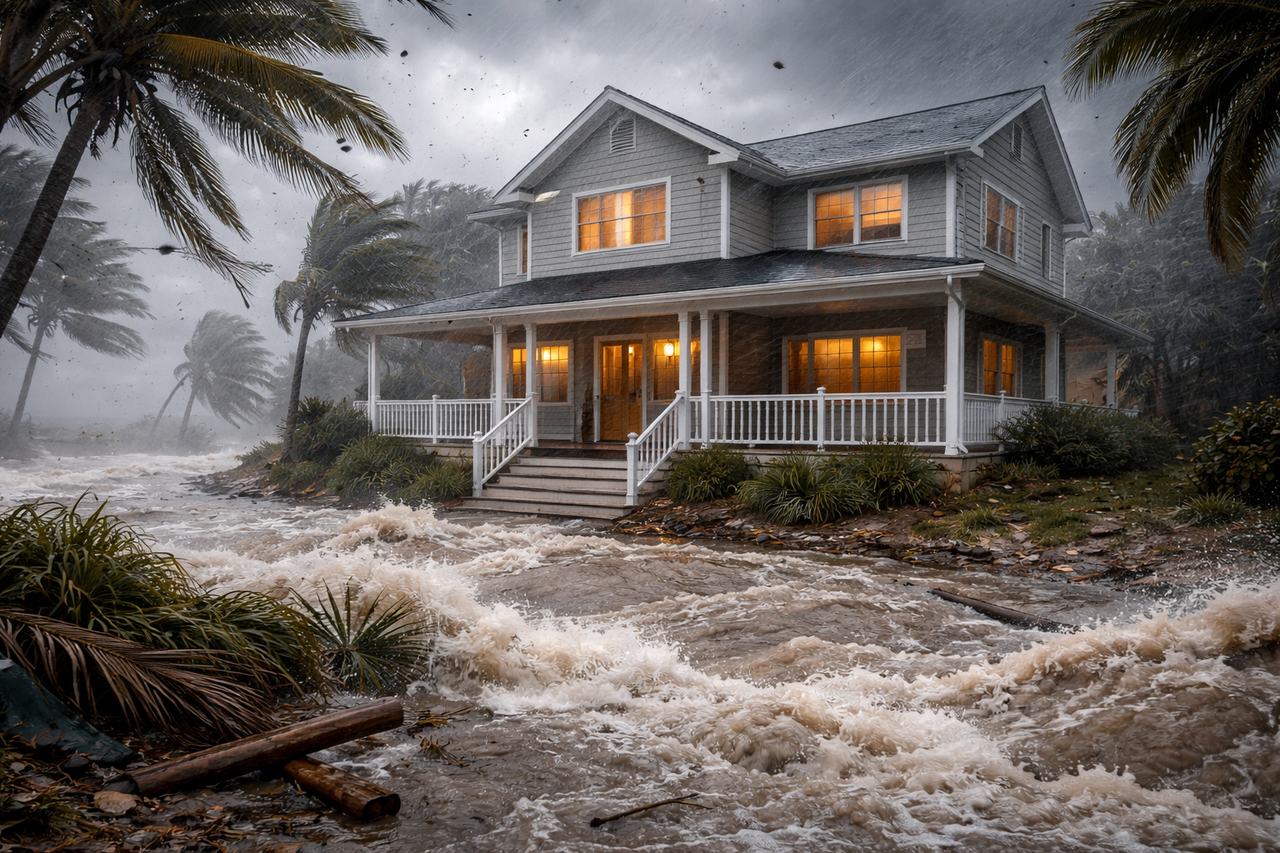
Windstorm and Hurricane Coverage
Windstorms and hurricanes are among the most significant risks for homeowners, especially in coastal and storm-prone regions. While homeowners insurance often includes wind coverage, the details can vary significantly depending on location, policy structure, and insurer requirements.
Understanding how windstorm and hurricane coverage works is essential to avoiding gaps that can lead to costly surprises after a storm.
Does Homeowners Insurance Cover Wind Damage?
In many cases, standard homeowners insurance includes coverage for wind-related damage.
- Damage to the roof from high winds
- Broken windows caused by wind or debris
- Structural damage from storms
- Fallen trees due to wind events
However, this coverage is not always straightforward, especially in higher-risk areas.
Where Coverage Gets More Complex
Depending on your location, you may encounter:
- Separate windstorm deductibles
- Exclusions for hurricane damage
- State-specific insurance programs
- Special underwriting requirements
This is especially common in coastal regions where storm exposure is higher.
Hurricane Deductibles Explained
Unlike standard deductibles, hurricane deductibles are often calculated as a percentage of your home’s insured value rather than a flat dollar amount.
- Typically ranges from 1% to 5% of the dwelling coverage
- Applies specifically to named storms or hurricanes
- Can result in significantly higher out-of-pocket costs
For example, a 2% deductible on a $400,000 home means an $8,000 deductible before insurance coverage applies.
Windstorm vs Flood Damage
Wind and water damage are treated very differently in insurance policies.
- Wind damage is often covered under homeowners insurance
- Flood damage is typically excluded and requires separate coverage
This distinction becomes critical during hurricanes, where both wind and flooding can occur simultaneously.
For a deeper explanation, review flood vs homeowners insurance.
What Is Typically NOT Covered
Even when wind coverage is included, there are limitations and exclusions to understand:
- Flooding from storm surge
- Gradual wear and tear to roofing or structure
- Maintenance-related issues
- Certain high-risk structures or materials
Review what homeowners insurance does not cover for a full breakdown.
Roof Condition and Coverage
Your roof plays a major role in how windstorm claims are handled.
- Older roofs may have limited coverage
- Some policies reduce payout based on roof age
- Maintenance condition can affect claim approval
Roof condition is one of the most heavily evaluated factors in storm-related claims.
How Claims Are Handled After a Storm
Storm-related claims often involve multiple types of damage and can become complex.
- Wind damage may be covered under homeowners insurance
- Flood-related damage may require a separate policy
- Adjusters evaluate cause of loss carefully
Understanding how claims work before a storm occurs can help you avoid confusion during the process.
Learn more about the homeowners insurance claims process.
How Location Impacts Coverage
Where your home is located has a major impact on how windstorm coverage is structured.
- Coastal properties often have stricter requirements
- Inland areas may have standard coverage with fewer restrictions
- Local building codes and materials can influence underwriting
In Florida and other coastal markets, windstorm coverage is often one of the most important aspects of a homeowners policy.
How to Reduce Risk and Improve Protection
There are steps homeowners can take to reduce storm-related risk and improve insurability:
- Maintain and upgrade roofing systems
- Install storm shutters or impact-resistant windows
- Secure outdoor structures and landscaping
- Regularly inspect and maintain the property
These measures may also help improve eligibility and reduce insurance costs.
How This Impacts Your Financial Strategy
Windstorm exposure can significantly impact both insurance costs and overall property ownership risk.
Understanding how insurance interacts with your mortgage, escrow, and long-term ownership costs is important when evaluating a property.
For financing strategies related to storm-prone areas, visit 360 Mortgage.
Missouri, Kansas, and Coastal Differences
Wind risk varies significantly by region:
- Missouri and Kansas may experience severe storms and tornadoes
- Coastal areas face hurricane and storm surge exposure
- Insurance structures vary based on regional risk profiles
Understanding local conditions is essential when evaluating coverage.
For regional guidance, visit:
Related Homeowners Insurance Guides
- Homeowners Insurance Overview
- Flood vs Homeowners Insurance
- Claims Process
- Liability Coverage
- Ways to Save
Make Sure Your Home Is Protected Before the Next Storm
If you are unsure how your current policy handles windstorm or hurricane damage, we can review your coverage and help identify any gaps.
Frequently asked questions
What should I know about Windstorm and Hurricane Coverage?
Windstorm and Hurricane Coverage should be reviewed in the context of your actual risk, not only the lowest premium. Policy language, endorsements and carrier appetite can change the practical answer.
How can I avoid coverage gaps?
Share accurate property, vehicle, business or rental details with your agent, review exclusions and ask how deductibles and limits would apply in a realistic claim.
When should I request a review?
Request a review before renewals, after major purchases, after property changes, when adding rentals or vehicles, or any time your financial exposure changes.

Missouri and Kansas Insurance Agent
Work With Tracy Fitch
Missouri and Kansas clients can work with Tracy Fitch, a property and casualty licensed insurance agent with more than a decade of insurance experience. Tracy helps clients review coverage, compare options, request policy changes, and understand next steps for home, auto, landlord, umbrella, renters, boat, RV, and business insurance.
Office: 212 W Mill St, Liberty, MO 64068
Email tfitch@hensonagency.com or call 816-479-4189.