Kansas Travel Trailer Insurance
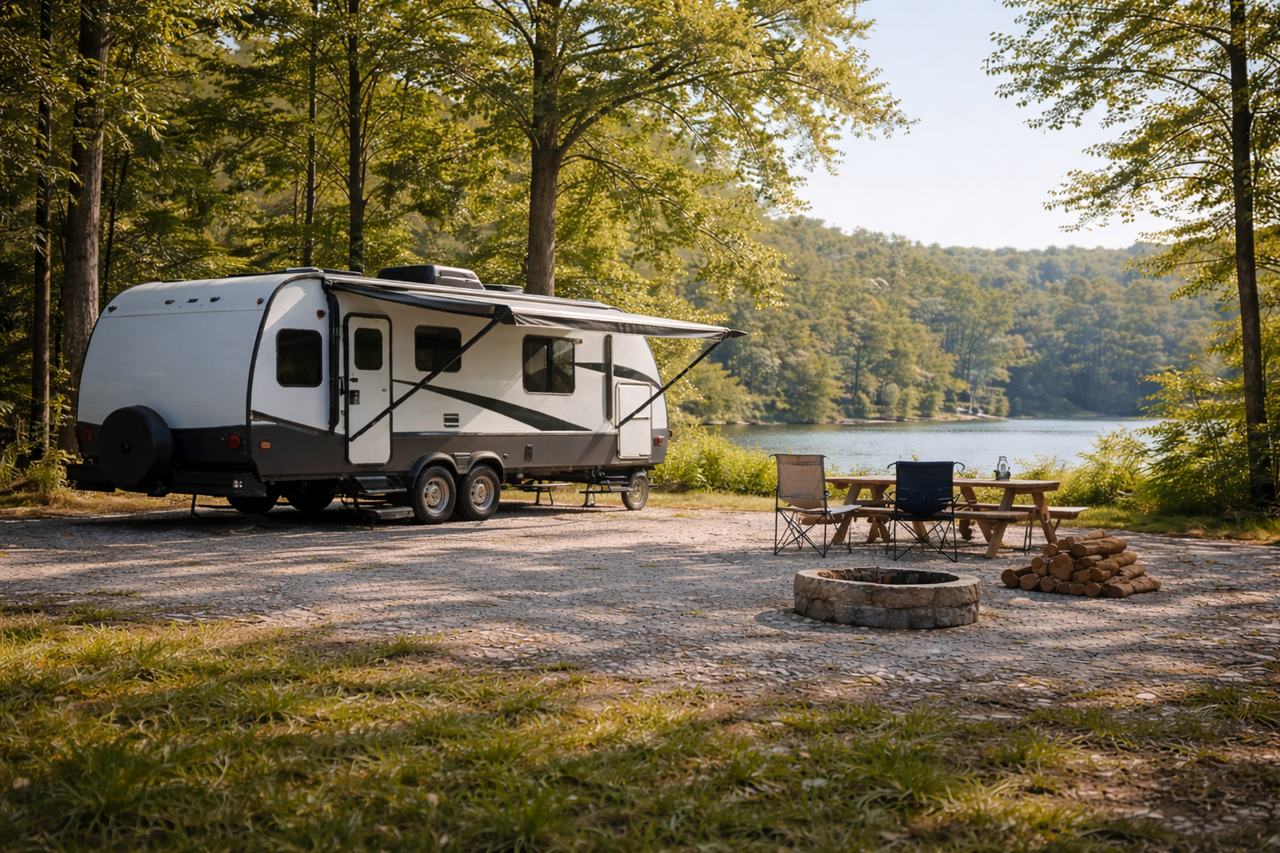
Kansas travel trailer insurance protects towable RVs from financial loss related to theft, wind and hail damage, collision while being towed, vandalism, and liability exposure while parked. Because travel trailers are not motorized, coverage structure differs from motorhome insurance.
This guide explains how travel trailer insurance works in Kansas, what affects cost, and how to structure coverage based on usage patterns and storage conditions.
Get a Kansas Travel Trailer Insurance Quote
How travel trailer insurance works in Kansas
Travel trailers are typically covered differently than motorized RVs. Liability while driving may extend from the towing vehicle in many situations, but physical damage coverage for the trailer itself usually requires its own policy.
If you are comparing towable versus motorized coverage, review: Kansas motorhome insurance.
What Kansas travel trailer insurance typically covers
- Comprehensive coverage protection against theft, vandalism, fire, falling objects, animal damage, and severe weather.
- Collision coverage damage caused by collision or overturn while being towed.
- Vacation liability liability protection while the trailer is parked and used as a temporary living space.
- Contents coverage protection for personal belongings stored inside the trailer.
- Emergency expense coverage assistance for certain travel related costs after a covered loss.
What affects travel trailer insurance cost in Kansas
- Trailer value higher replacement cost increases physical damage premium.
- Storage location enclosed storage can reduce theft and weather exposure.
- Usage frequency occasional camping vs extended seasonal use.
- Deductible selection higher deductibles generally reduce annual premium.
- Claims history prior losses may influence underwriting and pricing.
For broader pricing guidance, review: Kansas RV insurance cost and How much does RV insurance cost.
Kansas storage risks for travel trailers
Many travel trailer claims occur while the unit is parked or stored. Kansas wind and hail exposure can be significant. Storage location and comprehensive deductible strategy should be evaluated carefully.
Review: RV insurance storage coverage.
Full time use of a travel trailer in Kansas
If your travel trailer serves as a primary residence, standard recreational coverage may not be sufficient. Full time living exposure increases liability and personal property considerations.
Learn more: Full time RV insurance.
Replacement cost and deductible decisions
Travel trailers depreciate over time. Choosing between replacement cost and actual cash value affects both premium and claim payout.
Related Kansas RV insurance guides
Request a Kansas travel trailer insurance quote
If you own a travel trailer in Kansas, we can help you compare carriers and structure coverage that fits your storage setup, travel habits, and risk tolerance.
Direct answer
What should I know about kansas travel trailer insurance?
Kansas Travel Trailer Insurance is about understanding where coverage, exclusions, deductibles, limits and carrier rules can affect a household, property owner or business. The right answer usually depends on the property, assets, use case, claims history, risk tolerance and how the policy is written.

Missouri and Kansas Insurance Agent
Work With Tracy Fitch
Missouri and Kansas clients can work with Tracy Fitch, a property and casualty licensed insurance agent with more than a decade of insurance experience. Tracy helps clients review coverage, compare options, request policy changes, and understand next steps for home, auto, landlord, umbrella, and business insurance.
Email tfitch@hensonagency.com or call 816-479-4189.
Frequently asked questions
What should I know about Kansas Travel Trailer Insurance?
Kansas Travel Trailer Insurance should be reviewed in the context of your actual risk, not only the lowest premium. Policy language, endorsements and carrier appetite can change the practical answer.
How can I avoid coverage gaps?
Share accurate property, vehicle, business or rental details with your agent, review exclusions and ask how deductibles and limits would apply in a realistic claim.
When should I request a review?
Request a review before renewals, after major purchases, after property changes, when adding rentals or vehicles, or any time your financial exposure changes.