
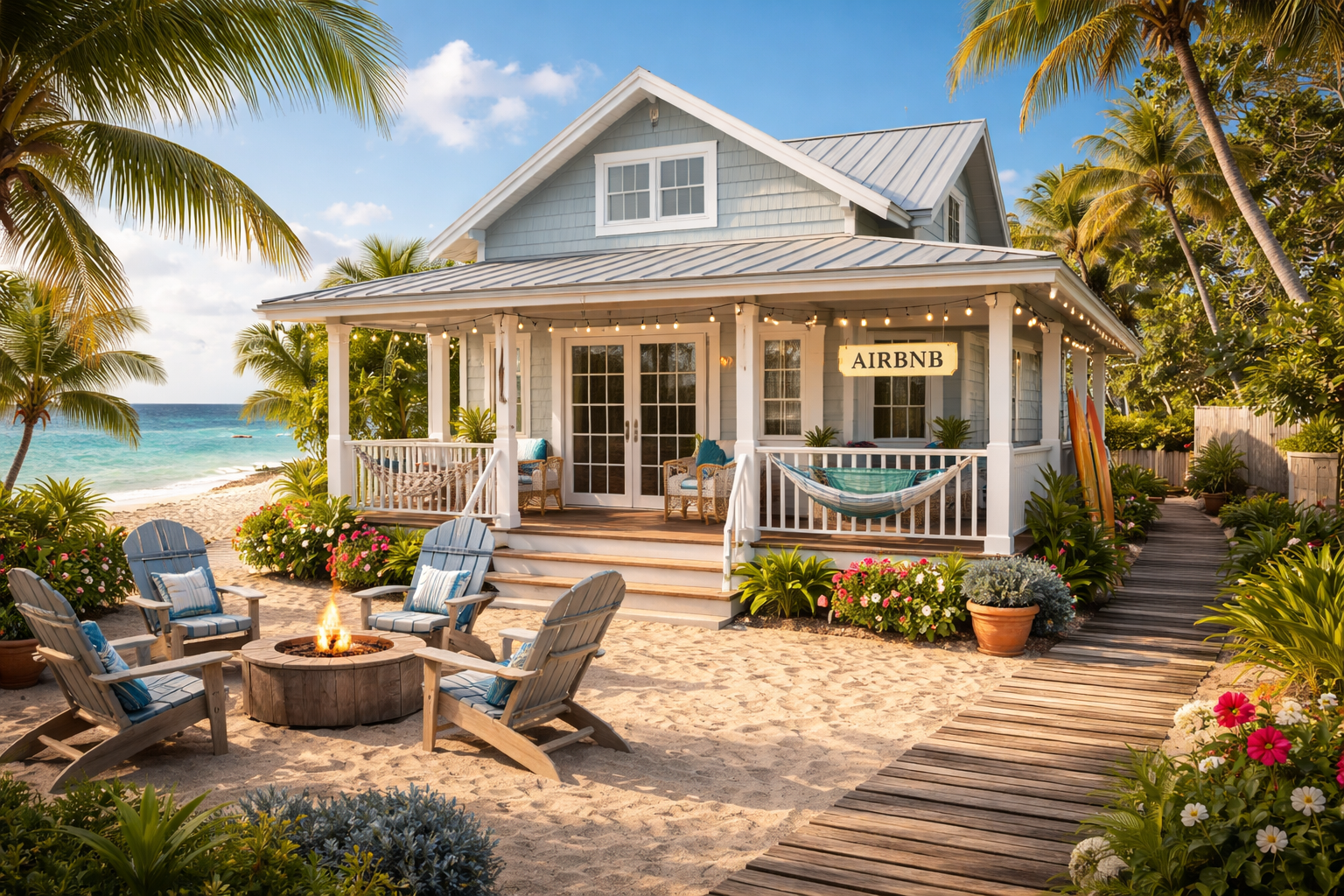
Airbnb Insurance Explained
Airbnb insurance refers to the protection available to property owners who rent homes or rooms through the Airbnb platform. While Airbnb provides certain host protection programs, those protections are not the same as a full insurance policy and they should not be relied on as the only layer of protection.
Property owners who operate short term rentals usually need their own insurance policy designed for the property’s actual use. Understanding how Airbnb protection works and where its limits are is an important step in protecting both the property and the income it generates.
Many hosts believe that Airbnb automatically insures their property completely. In reality, platform protection programs are limited and may not apply in many situations. Most experienced hosts still carry their own insurance coverage.
Does Airbnb Provide Insurance?
Airbnb offers certain host protection programs designed to provide limited protection when guests book through the platform. These programs may include damage protection or liability protection depending on the situation.
However, these protections are not designed to replace a property owner’s insurance policy. They are intended to provide a limited layer of support when specific conditions are met.
Hosts should carefully review the details of Airbnb programs because eligibility, coverage triggers, and exclusions can change.
What Airbnb Host Protection Programs May Cover
Airbnb programs are designed to provide limited support for certain situations connected to guest stays. Coverage details can vary, but the programs may help address:
- Certain guest related property damage
- Some liability claims connected to a guest stay
- Damage that occurs during a confirmed booking
Coverage limits, claim procedures, and eligibility requirements are defined by Airbnb and may change over time.
What Airbnb Protection Often Does Not Cover
Airbnb programs have important limitations. They are not structured like a traditional insurance policy and they may not apply in many circumstances.
Examples of common limitations can include:
- Damage that occurs outside a confirmed booking
- Wear and tear or maintenance issues
- Certain liability exposures
- Personal property owned by guests
- Loss of rental income after damage
- Situations that fall outside Airbnb’s program rules
Because of these limitations, many hosts maintain a separate short term rental insurance policy.
Platform protection programs are best viewed as a secondary safety net rather than a complete insurance solution. The primary protection should still come from a policy designed for the property’s actual rental use.
Why Hosts Still Need Their Own Insurance
Short term rental properties often face risks that go beyond the protections offered by hosting platforms. Frequent guest turnover, higher liability exposure, and furnished units create insurance needs that standard homeowner policies often do not address.
Many insurers now offer policies specifically designed for properties used for short term rental activity.
For a broader explanation of this type of coverage, see Short Term Rental Insurance Guide.
How Airbnb Insurance Differs From Landlord Insurance
Traditional landlord insurance is designed for long term tenant occupancy. Airbnb style rentals operate differently because guests rotate frequently and the property may function more like a hospitality business.
That difference affects how insurance carriers evaluate risk and structure policies.
Learn more here:
What Affects Insurance Cost For Airbnb Properties
Insurance pricing for Airbnb properties depends on several factors including property location, guest capacity, and how frequently the property is rented.
Common pricing factors include:
- Property location and catastrophe exposure
- Property type and construction
- Number of guests allowed
- Frequency of bookings
- Claims history
- Liability limits
- Deductible structure
For deeper analysis, see Rental Property Insurance Cost and What Affects Landlord Insurance Cost.
Liability Risk With Airbnb Rentals
Short term rental properties often involve guests who are unfamiliar with the home. This can increase the risk of accidents involving stairs, decks, pools, hot tubs, appliances, or other features.
Owners should review liability limits carefully and consider whether broader protection may be appropriate for their portfolio.
For landlords with multiple rental properties, see Umbrella Insurance for Real Estate Investors.
Local Rules And HOA Restrictions
Before operating an Airbnb property, hosts should verify local regulations and association rules. Some cities limit short term rentals or require permits and registration.
Condominium and homeowner associations may also restrict or prohibit short stay activity.
Airbnb Insurance And Investment Strategy
Insurance should be part of the financial analysis when evaluating a short term rental investment. Premium cost, liability exposure, and property maintenance risks all influence long term profitability.
For investors using financing to acquire rental property, insurance expense also affects overall deal performance.
Operational Risk Still Matters
Insurance works best when combined with strong property management practices. Guest screening, clear house rules, property inspections, and routine maintenance all help reduce loss exposure.
For broader landlord risk guidance, see:
- What Does One Bad Tenant Really Cost
- How Much Risk Can I Afford As A Landlord
- Is My Rental Still Worth Keeping
Missouri Airbnb Insurance
Missouri hosts should review both insurance coverage and local regulations before operating a short term rental. Coverage needs may vary depending on property location, building condition, and how frequently the property is rented.
Kansas Airbnb Insurance
Kansas hosts should also confirm zoning rules, HOA restrictions, and insurance requirements before listing a property for short stays. Coverage structure should match the property’s actual use.
How To Choose Insurance For Airbnb Rentals
When reviewing policy options, property owners should focus on coverage quality rather than premium alone.
- Confirm the policy allows short term rental activity
- Review dwelling coverage carefully
- Check liability limits
- Understand contents coverage for furnishings
- Review loss of rental income protection
- Check exclusions and deductible options
- Compare policy structure and carrier experience with short term rentals
Related Insurance And Investor Resources
- Investor Insurance Hub
- Short Term Rental Insurance Guide
- Insurance For Single Family Rentals
- Insurance For Condo Rentals
- Rental Property Insurance Cost
- How To Lower Landlord Insurance Cost
If you operate an Airbnb or short term rental property in Missouri or Kansas and want help reviewing insurance options, we can help you compare coverage, pricing, liability protection, and long term risk strategy.
Get An Insurance Quote