
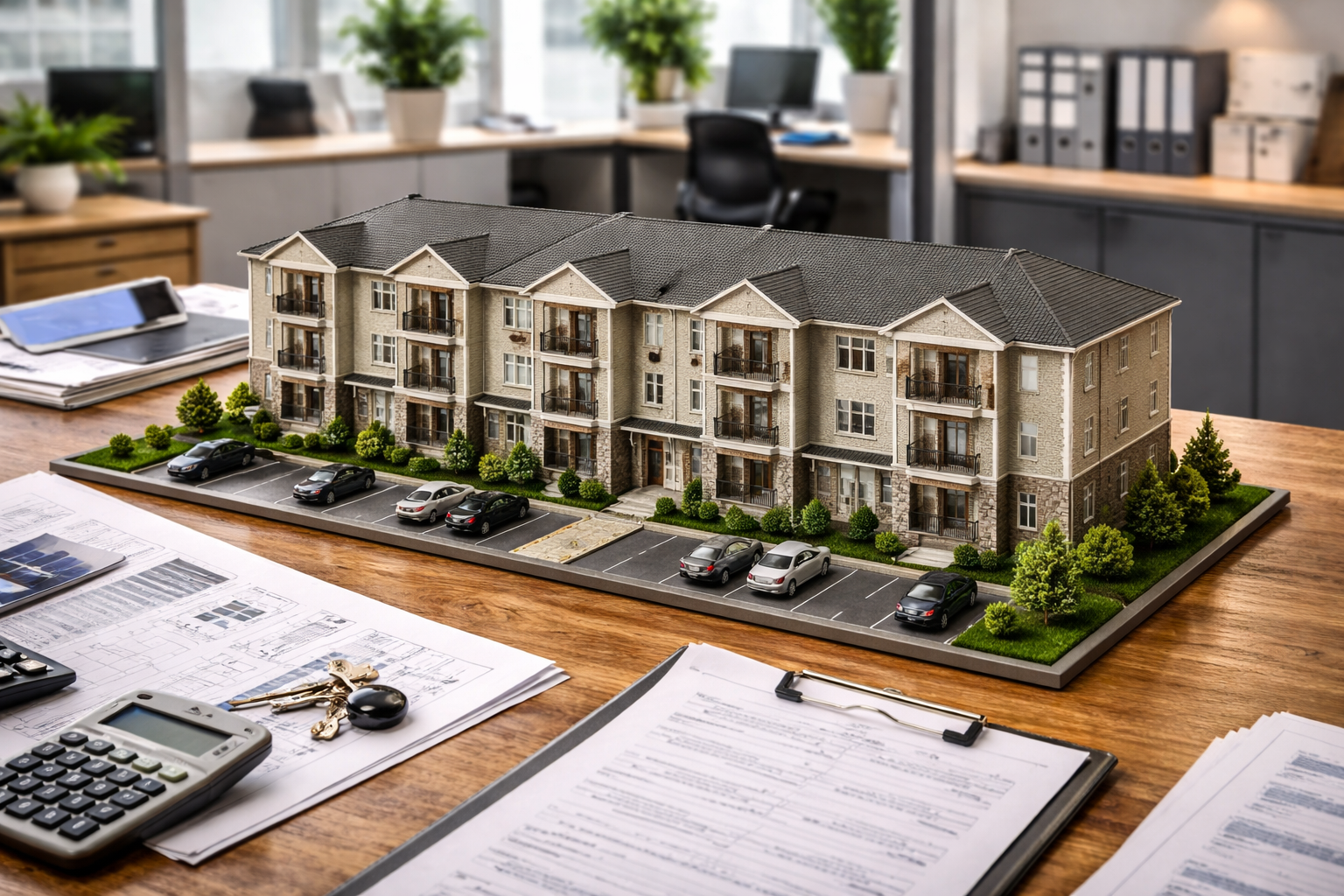
Insurance For Small Multifamily Properties
Insurance for small multifamily properties helps protect landlords against property damage, liability claims, and lost rental income after certain covered events. If you own a rental property with multiple units, the insurance structure usually needs to reflect the added complexity that comes with more tenants, more shared areas, and more opportunities for claims.
Small multifamily properties can be excellent investments because they often spread vacancy risk across several units and can produce stronger income than a single property with one tenant. But they also create broader exposure that should be insured properly.
As unit count increases, insurance becomes more than a simple property expense. It becomes part of portfolio risk management. One claim can affect multiple tenants, multiple leases, and a larger portion of your monthly income at the same time.
What Is A Small Multifamily Property?
A small multifamily property is generally a residential investment property with more than one unit, often including duplexes, triplexes, fourplexes, and in some cases other small apartment style buildings depending on carrier guidelines.
These properties are different from single family rentals because they involve multiple households under one roof or on one property, which can increase maintenance complexity and liability exposure.
For related pages, see Insurance For Single Family Rentals and Insurance For Duplex And Triplex Rentals.
Why Insurance For Small Multifamily Properties Matters
Small multifamily rentals can face larger losses from a single event than a one unit property. A roof leak, fire, plumbing failure, or liability claim can disrupt multiple units and affect several streams of rent at once.
That means the insurance needs to do more than just cover the building. It should also fit the real exposure created by tenant occupancy, shared areas, and the financial importance of keeping units rentable.
What Insurance For Small Multifamily Properties Typically Covers
Coverage varies by carrier and policy structure, but many landlord policies for small multifamily rentals include the following core protections.
Dwelling Coverage
This helps protect the structure if it is damaged by a covered cause of loss such as fire, wind, or certain other events.
Liability Protection
This helps protect the owner if a tenant, guest, contractor, delivery person, or other third party claims injury or property damage related to the property.
Loss Of Rental Income
If one or more units become uninhabitable after a covered claim, the policy may help replace lost rent for a limited period depending on the terms of the policy.
For a broader coverage overview, see What Landlord Insurance Covers.
What Is Not Usually Covered
Landlords should also understand that insurance has exclusions and limitations. A small multifamily policy may not cover every type of loss or every situation.
Common exclusions or limitations can include:
- Flood damage without separate flood insurance
- Earthquake damage in most areas
- Tenant personal property
- Normal wear and tear
- Deferred maintenance issues
- Certain vacancy related conditions
Learn more at What Landlord Insurance Does Not Cover.
Why Small Multifamily Insurance Often Costs More
Insurance for small multifamily properties often costs more than insurance for a single family rental because the building has more occupants, more shared systems, and more liability exposure. More units usually means more opportunities for water damage, fire spread, injury claims, and rent disruption.
Pricing is often influenced by:
- Number of units
- Property location
- Age and condition of the building
- Roof, plumbing, and electrical systems
- Replacement cost
- Deductible amount
- Claims history
- Liability exposure from stairs, railings, walkways, parking, and common areas
For a closer look at premium drivers, see Rental Property Insurance Cost, What Affects Landlord Insurance Cost, and How To Lower Landlord Insurance Cost.
When a small multifamily property has a serious loss, the damage is often larger than the physical repair bill alone. Lost rent, displaced tenants, legal exposure, and vacancy downtime can all compound the problem. That is why policy structure matters so much.
Shared Areas Increase Liability Exposure
Small multifamily properties usually have more shared access points than a single family rental. Exterior stairs, walkways, railings, parking areas, shared entrances, and common utility spaces can all increase the chance of liability claims.
Owners should review liability limits carefully and consider whether the broader portfolio also needs umbrella protection.
For investors with several properties, visit Umbrella Insurance for Real Estate Investors.
Insurance Should Match Actual Use Of The Property
A long term multifamily rental often needs a different insurance structure than a vacant building, a partially renovated property, or a short term rental setup. The policy should accurately reflect how the property is being used.
Using the wrong policy type can create costly problems later if a claim occurs.
How Insurance Affects Small Multifamily Investment Performance
Insurance is not just a line item. It directly affects monthly cash flow, reserve planning, and risk adjusted return. A building may appear to be a strong investment on paper, but higher insurance expense and broader liability exposure can change the economics quickly.
This becomes even more important when financing is involved. Insurance cost affects operating expenses and can influence underwriting and debt coverage.
Operations Still Matter
Strong insurance works best alongside strong property operations. Tenant screening, lease quality, maintenance response, safety checks, and vacancy control all help reduce claim exposure over time.
For related landlord risk resources, see:
- What Does One Bad Tenant Really Cost
- How Much Risk Can I Afford As A Landlord
- Is My Rental Still Worth Keeping
Missouri Insurance For Small Multifamily Properties
Missouri landlords often need to pay attention to building age, roof condition, storm related exposure, liability protection, and rebuild cost when insuring small multifamily rentals. Older properties may require more careful review because outdated systems can affect both premium and carrier appetite.
Kansas Insurance For Small Multifamily Properties
Kansas landlords often need to focus on wind and hail exposure, deductible structure, building condition, and liability from shared areas. Carrier options can vary depending on roof age, maintenance history, and how the property is configured.
How To Choose Insurance For Small Multifamily Rentals
When comparing policy options, landlords should look at more than just premium. A stronger decision usually includes:
- Confirming the building is insured as a rental property with the correct unit count
- Reviewing dwelling coverage carefully
- Checking liability limits with shared areas in mind
- Understanding loss of rental income protection
- Reviewing deductible options
- Checking exclusions and vacancy limitations
- Comparing policy structure, carrier fit, and long term protection instead of price alone
Related Insurance And Investor Resources
- Investor Insurance Hub
- Landlord Insurance Guide
- Insurance For Single Family Rentals
- Insurance For Duplex And Triplex Rentals
- Rental Property Insurance Cost
- What Affects Landlord Insurance Cost
If you own a small multifamily property in Missouri or Kansas and want help reviewing landlord insurance options, we can help you compare pricing, coverage structure, liability protection, and broader portfolio strategy.
Get An Insurance Quote