Rental Property Risk Management
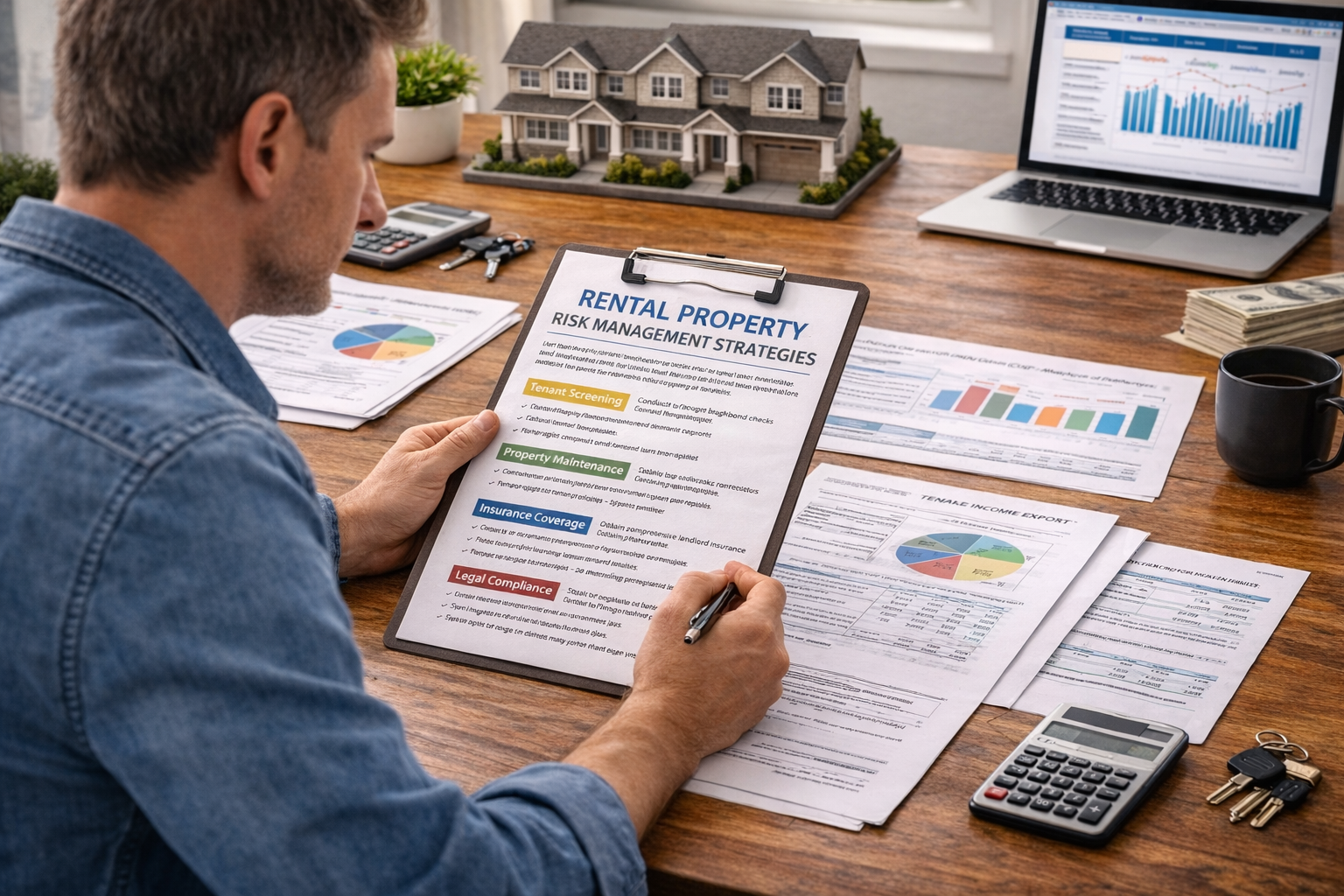
Rental property risk management is the process of identifying, reducing, and preparing for the financial and operational risks that come with owning investment real estate. Insurance is part of that process, but risk management is broader than insurance alone.
Real estate investors face risk from property damage, liability claims, bad tenants, vacancy, deferred maintenance, legal disputes, and poor decision making. The stronger the system, the less likely one problem turns into a major financial setback.
Most rental property losses do not come from one dramatic event alone. They come from weak systems. A bad tenant, delayed maintenance, poor insurance structure, and thin reserves can all stack on top of each other and turn a manageable issue into a serious problem.
What Is Rental Property Risk Management?
Rental property risk management means looking at your portfolio through a protection lens instead of only a cash flow lens. It is the discipline of reducing avoidable risk while preparing financially and operationally for the risks that cannot be fully eliminated.
That usually includes:
- Using the right insurance structure
- Screening tenants carefully
- Maintaining the property proactively
- Using clear leases and documentation
- Holding adequate reserves
- Reviewing liability exposure across the portfolio
For a broader insurance foundation, see Landlord Insurance Guide.
The Main Types Of Risk Rental Property Owners Face
Property Damage Risk
Fire, wind, water damage, vandalism, and other physical losses can create large repair bills and lost rent. Insurance helps with covered claims, but property condition and fast response still matter.
Liability Risk
Slip and fall incidents, dog bite claims, contractor injuries, and property condition disputes can create serious financial exposure. Liability limits and umbrella protection should be reviewed carefully.
Tenant Risk
Bad tenants can create unpaid rent, property damage, eviction cost, legal conflict, and extended vacancy. Tenant quality is one of the biggest drivers of long term portfolio stability.
Vacancy Risk
Vacant properties stop producing income and can also create added exposure for vandalism, unnoticed maintenance issues, and insurance complications if vacancy extends too long.
Maintenance Risk
Deferred maintenance often turns small repair items into larger losses. Roofs, plumbing, electrical systems, exterior hazards, and HVAC issues should be monitored before they become emergencies.
Financing And Cash Flow Risk
Insurance cost, taxes, repairs, vacancy, and rising debt expense can all weaken cash flow. Investors should understand how thin margins increase vulnerability.
A strong rental property is not just one with good rent. It is one with strong systems, controlled downside, and enough margin to survive mistakes, repairs, and market shifts.
Insurance Is One Layer Of Risk Management
Insurance is essential, but it should not be mistaken for a full risk management plan. Insurance helps transfer some financial risk, but it does not stop bad tenants, fix weak maintenance habits, or replace poor decision making.
Investors should review:
- Dwelling coverage
- Liability limits
- Loss of rental income protection
- Deductible structure
- Vacancy limitations
- Entity ownership and named insured accuracy
- Umbrella coverage where appropriate
For related pages, see:
- What Landlord Insurance Covers
- What Landlord Insurance Does Not Cover
- Umbrella Insurance For Real Estate Investors
Tenant Screening Is Risk Management
One of the most effective forms of risk reduction is careful tenant screening. A weak tenant can create rent loss, legal conflict, property damage, and stress that far outweighs the cost of screening properly.
Strong tenant screening often includes:
- Income verification
- Credit review
- Background checks where lawful and appropriate
- Rental history review
- Clear written screening criteria
For broader landlord guidance, see What Does One Bad Tenant Really Cost.
Maintenance Prevents Expensive Losses
Many major rental property losses begin as maintenance issues that were ignored too long. Proactive maintenance protects the asset, improves tenant retention, and reduces claim exposure.
High priority areas often include:
- Roof condition
- Plumbing leaks
- Electrical hazards
- Handrails and stairs
- Exterior drainage
- HVAC servicing
- Tree trimming and exterior safety issues
Reserves Matter More Than Most Investors Admit
Cash reserves are one of the most practical forms of risk management. Even with strong insurance, owners still face deductibles, non covered repairs, turnover cost, vacancy, legal fees, and delayed rent collection.
A property with thin reserves is much more fragile than it looks on paper.
Entity Structure And Liability Planning
Some investors hold rentals personally, while others use LLCs. Entity structure can be part of a broader risk management plan, but it does not replace insurance. The ownership structure should match the insurance structure accurately.
For related guidance, see Insurance For Investor Owned LLC Properties and Personal vs LLC Property Insurance.
Portfolio Level Risk Management
As the number of rentals grows, risk management should become more system driven. Investors with multiple properties should review whether liability limits, deductibles, ownership setup, and insurance quality are consistent across the portfolio.
For related guidance, see Portfolio Insurance For Multiple Rentals.
Out Of State Rentals Need Stronger Systems
Distance adds risk. Out of state owners are less able to inspect properties personally, respond quickly to problems, or supervise maintenance and tenant issues. That makes local management quality more important.
See also Insurance For Out Of State Rental Properties.
How Risk Management Affects Financing
Risk management is not separate from financing. Insurance cost, maintenance history, reserve strength, and overall property stability all affect the real economics of a deal. Investors using leverage should evaluate downside risk, not just monthly rent.
Practical Rental Property Risk Management Steps
- Use the right insurance for the property’s actual use
- Review liability limits and umbrella protection
- Screen tenants consistently and carefully
- Use strong leases and documentation
- Maintain roofs, plumbing, electrical, and safety items proactively
- Keep cash reserves for deductibles, repairs, and vacancy
- Review ownership structure and named insured accuracy
- Inspect properties regularly or use strong local management
- Monitor vacancy exposure and renewal terms
- Revisit portfolio risk as the number of properties grows
Missouri Rental Property Risk Management
Missouri landlords often need to pay close attention to storm exposure, aging housing stock, liability hazards, and maintenance discipline. Investors with older homes should be especially proactive with roofs, plumbing, and electrical updates.
Kansas Rental Property Risk Management
Kansas landlords often need to focus on wind and hail exposure, deductible planning, property condition, and liability protection. Strong maintenance and insurance review can make a meaningful difference in long term portfolio durability.
Related Insurance And Investor Resources
- Investor Insurance Hub
- Landlord Insurance Guide
- Portfolio Insurance For Multiple Rentals
- Insurance For Investor Owned LLC Properties
- Rental Property Insurance Cost
- What Affects Landlord Insurance Cost
If you own rental property in Missouri or Kansas and want help reviewing insurance, liability protection, portfolio structure, and overall risk strategy, we can help you compare options and identify weak points in the setup.
Get An Insurance Quote