
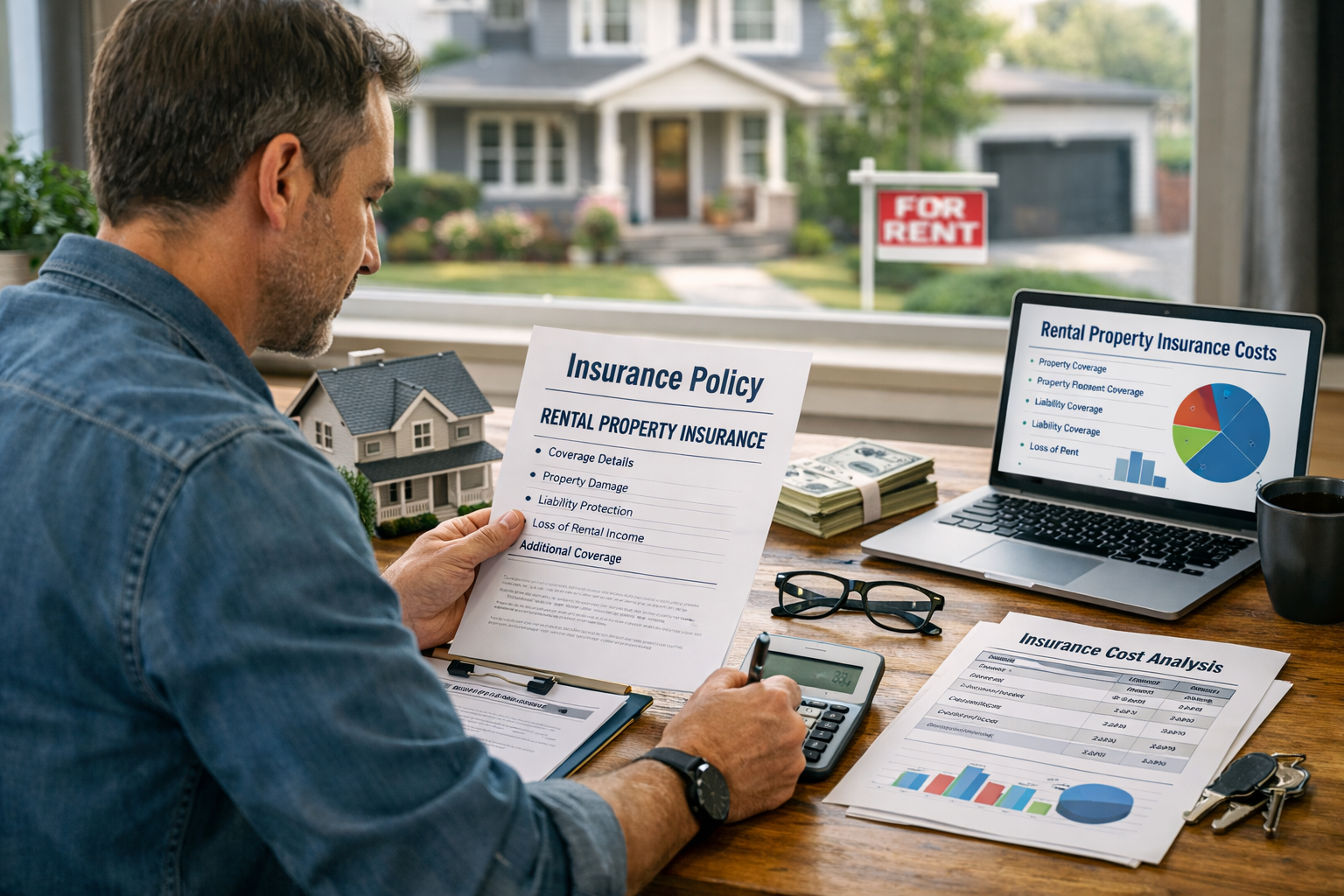
What Affects Landlord Insurance Cost
Landlord insurance cost is shaped by a mix of property risk, coverage choices, claim exposure, and local market conditions. Two rental properties with the same value can carry very different premiums depending on where they are located, how they are maintained, and how the policy is structured.
For real estate investors, understanding what affects landlord insurance cost is important because insurance directly impacts monthly cash flow, annual return, and overall deal performance.
Many investors focus heavily on interest rate, taxes, and rent projections, but insurance can quietly change the economics of a deal. A property that looks strong at first glance can become far less attractive if insurance is materially higher than expected.
Location
Location is one of the biggest factors affecting landlord insurance cost. Carriers price policies partly based on regional risk.
Properties in coastal areas, hurricane prone zones, high crime areas, or regions with frequent severe weather often carry higher premiums. Local litigation trends and rebuilding costs can also influence rates.
For example, two similar rental homes may have very different insurance costs if one is inland and the other sits in a higher catastrophe exposure zone.
Property Type
The type of rental property also matters. A single family rental, duplex, condo, or small multifamily property may all be priced differently by the insurance carrier.
Each property type creates a different risk profile based on occupancy, maintenance exposure, and liability potential.
- Single family rentals may be simpler to insure
- Duplexes and small multifamily properties may carry more liability exposure
- Condos may need a different coverage structure depending on the association master policy
Age and Condition of the Property
Older properties often cost more to insure, especially if important systems have not been updated. Carriers pay close attention to the condition of the roof, plumbing, electrical, and HVAC systems.
A rental home with an aging roof or outdated electrical panel may receive a higher premium, reduced coverage options, or underwriting restrictions.
Updated properties are often viewed more favorably because they present lower claim risk.
Replacement Cost
Insurance is generally priced based on the cost to rebuild the property, not the purchase price or current market value. If labor and material costs are high in a given area, that can raise the premium even if the home itself is modest.
This is one reason insurance pricing may rise even when the investor has not made major changes to the property.
Coverage Limits
Higher coverage limits usually mean higher premiums. The more protection you purchase, the more the carrier may charge.
Key coverage decisions that influence cost include:
- Dwelling coverage amount
- Liability protection limits
- Loss of rental income coverage
- Optional endorsements or added protections
If you want a broader overview of what landlord insurance includes, visit What Landlord Insurance Covers.
Deductible Amount
Your deductible has a direct effect on premium. A higher deductible usually lowers the annual cost because the owner takes on more risk before the policy pays.
A lower deductible usually raises the premium because the insurer is taking on more first dollar exposure.
Investors with strong reserves may choose higher deductibles to reduce recurring cost, but that decision should fit the overall risk tolerance of the portfolio.
Claims History
Past claims can affect landlord insurance pricing. If the property has a history of losses, or if the owner has filed multiple insurance claims, the carrier may see that as increased risk.
Even prior claims that seem minor can influence underwriting results, particularly when combined with other risk factors such as older systems or higher hazard exposure.
Vacancy and Occupancy Risk
Occupied rental properties are generally insured differently from vacant properties. If a rental sits empty for an extended period, insurance cost may rise or standard coverage may no longer apply.
Vacancy can create more risk for vandalism, unnoticed water damage, and delayed maintenance issues.
For related coverage differences, see Landlord Insurance vs Vacant Property Insurance.
Tenant Risk Profile
Insurance carriers do not usually underwrite the tenant the same way a landlord does, but tenant behavior still affects claim exposure over time. Poor maintenance, unauthorized occupants, or risky property use can increase loss frequency.
This is one reason professional tenant screening and active property oversight matter beyond leasing performance alone.
For a broader risk perspective, see What One Bad Tenant Really Costs.
Liability Exposure
Properties with more liability risk may cost more to insure. Factors that can increase liability exposure include:
- Swimming pools
- Trampolines
- Certain dog breeds depending on carrier rules
- Poor walkways or deferred maintenance
- Multiple units or shared common areas
Owners with multiple rentals often add broader liability protection through umbrella coverage. Learn more at Umbrella Insurance for Real Estate Investors.
The cheapest policy is not always the best policy. Many investors save a little on premium only to discover after a claim that they were underinsured, excluded, or missing rental income protection. Cost matters, but policy structure matters more.
Local Insurance Market Conditions
Landlord insurance cost is also affected by the broader insurance market. In some states or regions, carriers may reduce exposure, tighten underwriting, or raise rates due to catastrophe losses, litigation trends, or reinsurance pricing.
That means premiums can rise even if nothing about your specific property has changed.
Portfolio Size and Bundling
Some investors can improve pricing by bundling multiple rental properties with the same carrier. Others may gain efficiency by structuring coverage at the portfolio level where appropriate.
Investors with several properties should review whether the carrier offers discounts, better terms, or umbrella options for multi property ownership.
How Insurance Cost Affects Rental Property Financing
Insurance cost is not just an operating expense. It also affects financing analysis. For investors using rental property loans, higher insurance premiums can reduce monthly cash flow and weaken debt coverage.
This is especially important for borrowers using DSCR financing, where property income must support the full expense structure.
Missouri Landlord Insurance Cost Factors
In Missouri, landlord insurance pricing is often influenced by property age, roof condition, liability exposure, and storm related risk. Many investors can still find competitive options, but older homes and deferred maintenance may increase cost.
Kansas Landlord Insurance Cost Factors
In Kansas, wind and hail exposure can play a meaningful role in landlord insurance pricing. Deductible structure, roof age, and property condition are often important in determining premium and available carrier options.
How To Keep Landlord Insurance Cost Under Control
Investors can often improve pricing and protect deal performance by taking a few practical steps.
- Keep roofs, plumbing, and electrical systems updated
- Maintain the property well and reduce obvious hazards
- Compare deductible options carefully
- Review liability limits and endorsements with intention
- Bundle policies where appropriate
- Requote coverage periodically instead of auto renewing blindly
Related Insurance and Investor Resources
- Investor Insurance Hub
- Rental Property Insurance Cost
- How Landlord Insurance Is Priced
- How Much Landlord Insurance Do I Need
- Rental Property Liability Insurance
- Landlord Insurance Guide
If you own rental property in Missouri or Kansas and want help comparing landlord insurance options, we can help you review coverage, pricing, liability protection, and portfolio strategy.
Get An Insurance Quote