
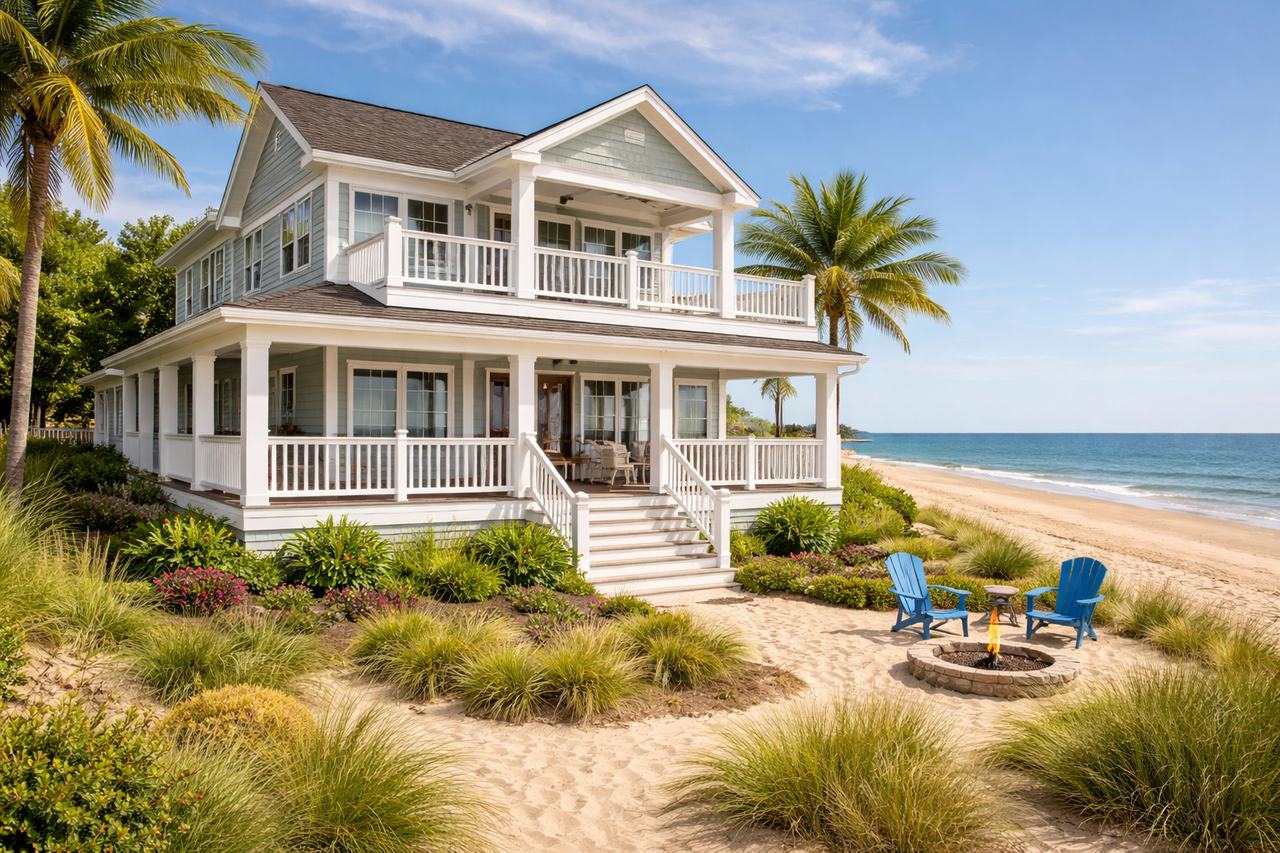
Homeowners Insurance for Vacation Homes
Vacation homes and second homes require a different insurance approach than primary residences. While they may look similar on the surface, how the property is used, how often it is occupied, and where it is located all impact how insurance coverage is structured.
If you own a beach house, seasonal home, or part-time residence, understanding how insurance works for vacation properties is essential to protecting both the home and your financial investment.
What Makes Vacation Homes Different
Vacation homes are typically not occupied full time. That creates a different risk profile compared to a primary residence.
- Longer periods of vacancy
- Less frequent monitoring of the property
- Higher exposure to unnoticed damage (water leaks, storms, etc.)
- In some cases, mixed personal and rental use
These factors directly affect how insurance policies are written and priced.
What Vacation Home Insurance Typically Covers
A policy for a vacation home is often similar to a standard homeowners policy but adjusted for part-time occupancy.
- Dwelling coverage for the structure
- Personal property coverage for furnishings and belongings
- Liability protection for injuries or damage involving others
- Additional living expenses in certain situations
For a full breakdown, review what homeowners insurance covers.
Key Risks Unique to Vacation Homes
- Unnoticed water damage or leaks
- Storm or weather damage while the home is vacant
- Theft or vandalism
- Maintenance issues going undetected
This is why insurers often evaluate vacancy and location more closely for second homes.
Location Matters More Than You Think
Vacation homes are often located in higher risk environments such as coastal areas, mountains, or seasonal destinations.
For example:
- Coastal homes may require specialized windstorm or hurricane considerations
- Remote homes may have higher fire or access risks
- Seasonal climates can increase weather-related exposure
If your property is in a storm-prone area, review windstorm and hurricane coverage.
Do You Need Different Coverage Than Your Primary Home?
In many cases, yes. While coverage may look similar, vacation home policies often:
- Include vacancy-related conditions
- Have different underwriting requirements
- Adjust liability exposure based on usage
It is important not to assume your primary homeowners policy automatically extends to a second home.
What If You Occasionally Rent the Property?
This is where things become more complex.
If you rent out your vacation home, even occasionally, your coverage needs may change significantly.
- Short-term rental activity may require different coverage
- Standard policies may exclude certain rental-related claims
- Liability exposure increases with guest turnover
If rental use is involved, review:
How Much Coverage Do You Need?
As with any property, coverage should be based on the cost to rebuild, not market value.
Key factors include:
- Construction and labor costs in the area
- Property size and materials
- Unique features or upgrades
Understanding replacement cost vs actual cash value is especially important for second homes.
Liability Still Matters
Even if you are not living in the home full time, liability exposure still exists.
- Guests or visitors can be injured on the property
- Property conditions can create risk
- Rental use can increase exposure further
Review liability coverage to ensure your limits are appropriate.
Ways to Reduce Risk and Cost
There are steps you can take to both reduce risk and potentially lower your insurance costs:
- Install security and monitoring systems
- Regularly inspect the property
- Maintain systems such as plumbing and roofing
- Bundle policies when possible
For more strategies, see ways to save on homeowners insurance.
How This Fits Into Your Financial Strategy
Vacation homes are both lifestyle assets and financial commitments. Insurance plays a key role in protecting that investment.
Whether the property is purely personal or part of a broader investment strategy, coverage decisions affect long-term costs and risk exposure.
For financing strategies related to second homes or investment properties, visit 360 Mortgage.
Missouri and Kansas vs Coastal Property Considerations
Vacation homes vary widely depending on location. A second home in Missouri or Kansas carries very different risks than a coastal property.
Understanding local conditions is essential when structuring coverage.
For regional guidance, visit:
Related Homeowners Insurance Guides
- Homeowners Insurance Overview
- For New Homeowners
- Rental Property Insurance
- Liability Coverage
- Claims Process
Protect Your Vacation Home Properly
If you own a second home or are purchasing a vacation property, we can help you structure coverage that fits how the home is actually used.
Frequently asked questions
What should I know about Homeowners Insurance for Vacation Homes?
Homeowners Insurance for Vacation Homes should be reviewed in the context of your actual risk, not only the lowest premium. Policy language, endorsements and carrier appetite can change the practical answer.
How can I avoid coverage gaps?
Share accurate property, vehicle, business or rental details with your agent, review exclusions and ask how deductibles and limits would apply in a realistic claim.
When should I request a review?
Request a review before renewals, after major purchases, after property changes, when adding rentals or vehicles, or any time your financial exposure changes.

Missouri and Kansas Insurance Agent
Work With Tracy Fitch
Missouri and Kansas clients can work with Tracy Fitch, a property and casualty licensed insurance agent with more than a decade of insurance experience. Tracy helps clients review coverage, compare options, request policy changes, and understand next steps for home, auto, landlord, umbrella, renters, boat, RV, and business insurance.
Office: 212 W Mill St, Liberty, MO 64068
Email tfitch@hensonagency.com or call 816-479-4189.