RV Vacation Liability Insurance
Direct answer
What should I know about rv vacation liability insurance?
RV Vacation Liability Insurance is about understanding where coverage, exclusions, deductibles, limits and carrier rules can affect a household, property owner or business. The right answer usually depends on the property, assets, use case, claims history, risk tolerance and how the policy is written.
RV vacation liability insurance protects you if someone is injured or their property is damaged while they are near your RV while it is parked and being used as temporary living space. Unlike driving liability coverage, which applies while the RV is on the road, vacation liability coverage applies when the RV is parked at a campsite, campground, or recreational area.
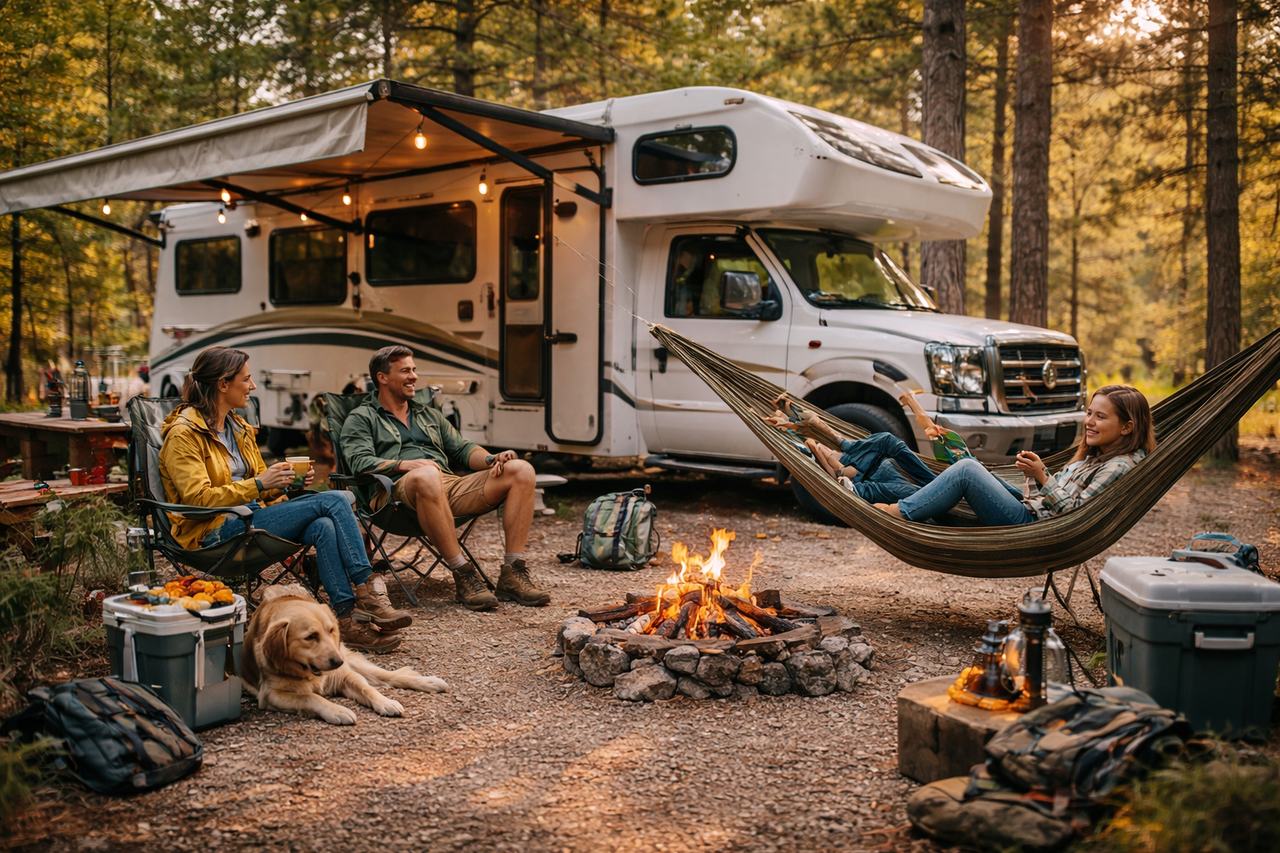
Many RV owners treat their vehicle as a temporary home during trips. When you set up at a campsite, cook outdoors, host guests, or place furniture outside the RV, liability exposure can begin to resemble that of a homeowners policy. Vacation liability coverage helps address that risk.
This protection is typically part of a broader RV insurance structure that may include RV collision coverage, RV comprehensive coverage, and other specialized endorsements depending on how the RV is used.
What RV vacation liability insurance covers
Vacation liability coverage helps pay for injuries or property damage that occur near your parked RV and for which you are legally responsible. It typically applies when the RV is not being driven and is being used as temporary lodging or recreational space.
- Guest injuries occurring near your RV campsite.
- Property damage to someone else’s belongings.
- Legal defense costs if you are sued after an incident.
- Medical expenses related to injuries that occur on or near your campsite.
Coverage limits vary by policy and are usually selected by the policyholder when the RV policy is written.
Examples of RV vacation liability claims
RV owners often socialize outdoors while traveling. These situations can create liability exposure similar to that faced by homeowners.
Typical liability claim situations
- A guest trips over camping equipment near your RV
- A grill accident causes injury to a visitor
- A campfire sparks damage to a nearby property
- A portable table or structure collapses and injures someone
- Outdoor furniture causes damage to neighboring property
Situations usually covered elsewhere
- Accidents occurring while driving the RV
- Damage to your own RV
- Theft of personal property
- Storm damage to the RV itself
Those types of events are generally handled under other coverages such as RV collision coverage, RV comprehensive coverage, or RV personal effects coverage.
Why vacation liability insurance matters for RV owners
When an RV is parked at a campground or recreational site, it often functions like a temporary living area. Owners may cook meals, host visitors, or place equipment and furniture around the campsite. These activities can create liability exposure similar to what homeowners face when guests visit their property.
- Guests may walk through your campsite area.
- Outdoor equipment and furniture can create tripping hazards.
- Cooking and fire related activities can cause accidents.
- Pets near the campsite can increase liability exposure.
Vacation liability coverage helps protect RV owners from the financial impact of these risks.
How vacation liability differs from driving liability
Driving liability coverage applies when the RV is being operated on public roads and you cause injury or property damage in a crash. Vacation liability coverage applies when the RV is parked and being used as temporary lodging.
Both protections address different types of liability risk and may appear in different sections of an RV policy.
- Driving liability covers accidents while operating the RV.
- Vacation liability covers incidents occurring near a parked RV.
Understanding the difference helps RV owners make informed decisions about liability protection.
Vacation liability coverage for full time RV living
People who live in their RV full time may need broader liability protection because their RV functions as their primary residence. In those cases, insurers may recommend specialized coverage designed for full time RV living.
Learn more about full time RV insurance and state specific guidance including Missouri full time RV insurance and Kansas full time RV insurance.
How liability limits affect RV insurance protection
Vacation liability coverage typically includes a selected limit that determines the maximum amount the insurer will pay for covered injuries or property damage.
Higher liability limits can provide additional financial protection but may increase premium. Many RV owners evaluate liability limits alongside other protections such as umbrella insurance.
- Higher limits increase financial protection.
- Lower limits reduce premium but increase personal exposure.
- Additional liability coverage may be available through umbrella policies.
How RV vacation liability insurance affects cost
The cost of adding vacation liability coverage to an RV policy is typically influenced by several factors.
- Selected liability limits
- Type and value of the RV
- Frequency of travel
- Primary state of residence
- Claim history
To better understand RV insurance pricing, review how much RV insurance costs as well as state level pricing guides such as Missouri RV insurance cost and Kansas RV insurance cost.
Vacation liability within the RV insurance coverage structure
Vacation liability coverage is one part of a broader RV insurance plan designed to protect both the vehicle and the lifestyle associated with RV travel. Many RV owners combine several protections to create a more comprehensive policy.
Related RV insurance pages
Request an RV insurance quote
RV travel creates unique liability exposures that do not exist with many other types of vehicles. Vacation liability insurance helps protect you when your campsite becomes a temporary living space for family, friends, and guests.
We can help you review RV insurance options and build a coverage plan that reflects how you travel, camp, and use your recreational vehicle.
Request your RV insurance quote
Coverage availability, limits, exclusions, deductibles, and eligibility vary by carrier and policy. This page provides general informational guidance and does not describe all terms or conditions of any specific insurance policy.
Frequently asked questions
What should I know about RV Vacation Liability Insurance?
RV Vacation Liability Insurance should be reviewed in the context of your actual risk, not only the lowest premium. Policy language, endorsements and carrier appetite can change the practical answer.
How can I avoid coverage gaps?
Share accurate property, vehicle, business or rental details with your agent, review exclusions and ask how deductibles and limits would apply in a realistic claim.
When should I request a review?
Request a review before renewals, after major purchases, after property changes, when adding rentals or vehicles, or any time your financial exposure changes.

Missouri and Kansas Insurance Agent
Work With Tracy Fitch
Missouri and Kansas clients can work with Tracy Fitch, a property and casualty licensed insurance agent with more than a decade of insurance experience. Tracy helps clients review coverage, compare options, request policy changes, and understand next steps for home, auto, landlord, umbrella, renters, boat, RV, and business insurance.
Office: 212 W Mill St, Liberty, MO 64068
Email tfitch@hensonagency.com or call 816-479-4189.