RV Insurance Discounts
Direct answer
What should I know about rv insurance discounts?
RV Insurance Discounts is about understanding where coverage, exclusions, deductibles, limits and carrier rules can affect a household, property owner or business. The right answer usually depends on the property, assets, use case, claims history, risk tolerance and how the policy is written.
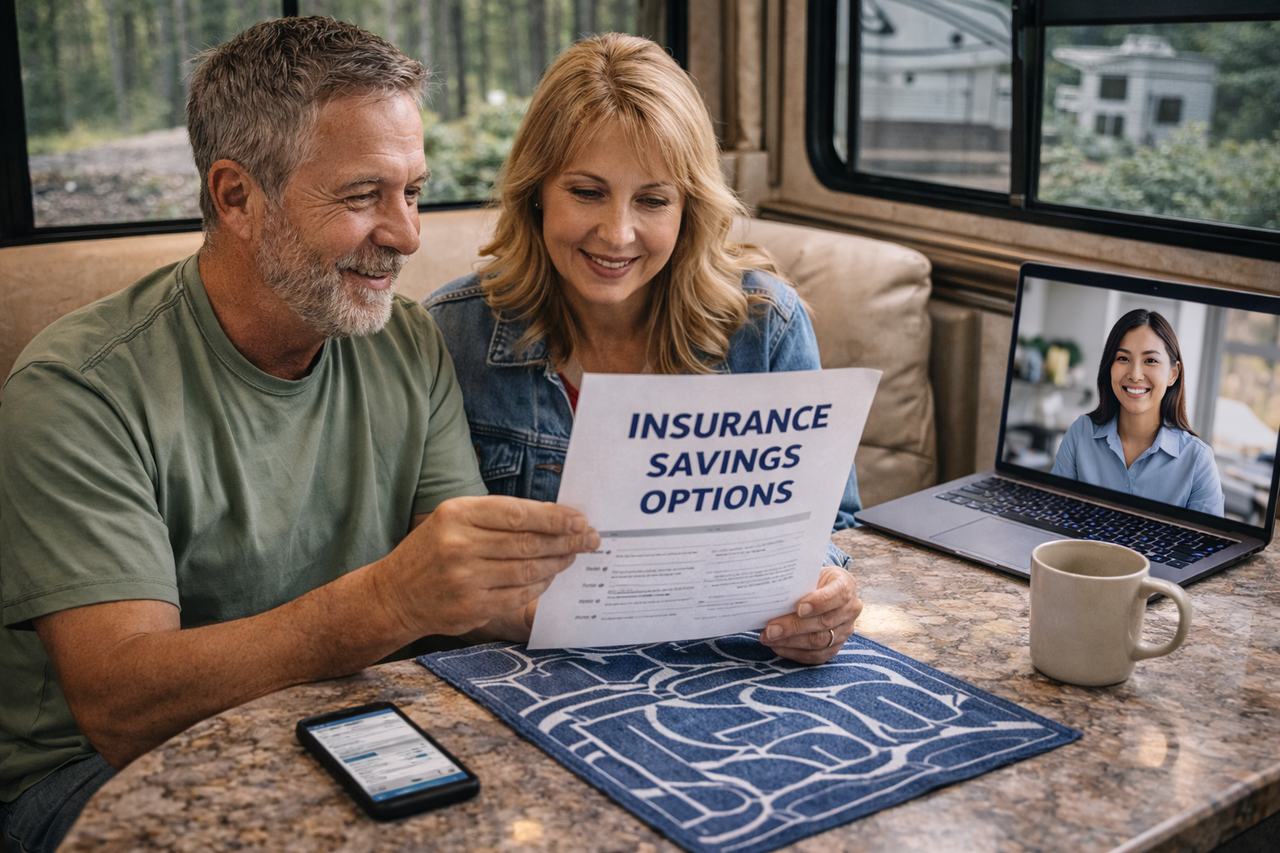
RV insurance discounts can help reduce the cost of protecting your motorhome, travel trailer, camper, or other recreational vehicle. Many insurance companies offer a variety of discounts that reward safe driving, responsible ownership, and bundling multiple policies with the same carrier.
Although the exact discounts available depend on the insurer, understanding the most common savings opportunities can help RV owners structure coverage more efficiently and potentially lower their insurance premium.
If you are comparing coverage options, it may also be helpful to review how much RV insurance costs and the different coverage types such as collision coverage and comprehensive coverage.
Common RV insurance discounts
Many insurance companies offer discounts that reward responsible ownership and lower risk exposure. These savings opportunities can vary by carrier but often include similar categories.
Multi policy discounts
- Bundling RV insurance with auto insurance
- Bundling RV insurance with homeowners insurance
- Combining multiple recreational vehicles
- Bundling with umbrella liability policies
Safe driver discounts
- Clean driving record
- No recent accidents or claims
- Completion of RV safety courses
- Long term safe driving history
Bundling policies is often one of the most effective ways to reduce overall insurance costs across multiple types of coverage.
Low usage discounts
Many RV owners only travel a limited number of miles each year. Some insurance companies offer discounts for recreational vehicles that are used occasionally or seasonally.
- Seasonal RV use
- Low annual mileage
- Limited travel distance
- Storage during off season months
If your RV is only used during certain times of the year, you may also want to review RV insurance for seasonal use.
Safety and security discounts
Some insurers offer discounts when RV owners take steps to improve safety or reduce theft risk.
- Anti theft devices
- GPS tracking systems
- Secure storage facilities
- Alarm systems or immobilizers
These measures can reduce the likelihood of claims and may qualify owners for lower premiums depending on the insurance carrier.
Paid in full and billing discounts
Certain billing choices can also influence the overall cost of RV insurance. Many insurance companies offer discounts for policyholders who choose specific payment options.
- Paying the full premium upfront
- Electronic funds transfer payments
- Paperless billing
- Automatic renewal enrollment
Although these discounts may appear small individually, they can sometimes combine with other savings opportunities.
Membership and affiliation discounts
Some insurance carriers offer discounts for RV owners who belong to certain organizations or professional groups.
- RV clubs or travel organizations
- Camping associations
- Professional or alumni organizations
- Military or veteran status
Eligibility for these discounts varies by insurer and policy.
How deductibles affect RV insurance cost
While not technically a discount, choosing a higher deductible can significantly reduce insurance premiums. A deductible represents the amount the policyholder pays out of pocket before insurance coverage applies.
Owners with stronger financial reserves sometimes choose higher deductibles to lower the overall premium cost.
To learn more about how deductibles work, review RV insurance deductibles explained.
Coverage structure and premium impact
The structure of an RV insurance policy also affects the final premium. Coverage limits, endorsements, and valuation methods can influence overall cost.
- Replacement cost versus actual cash value
- Liability coverage limits
- Optional endorsements
- Value of the RV
For additional guidance, review replacement cost vs actual cash value and RV total loss replacement coverage.
State specific RV insurance pricing
Insurance pricing and available discounts can also vary depending on where the RV is registered and stored. Regional factors such as weather exposure, theft rates, and claims history may influence premiums.
For location specific guidance, review:
RV insurance discounts within the RV coverage structure
Discounts are only one part of managing RV insurance costs. The overall coverage structure, the value of the RV, and how the vehicle is used all play important roles in determining final premium.
Related RV insurance pages
Request an RV insurance quote
Finding the right RV insurance policy involves more than simply identifying the lowest price. Coverage structure, liability limits, and protection for your RV and belongings should all be considered alongside potential discounts.
We can help you review RV insurance options and identify available discounts that may apply to your situation.
Request your RV insurance quote
Coverage availability, limits, exclusions, deductibles, and eligibility vary by carrier and policy. This page provides general informational guidance and does not describe all terms or conditions of any specific insurance policy.
Frequently asked questions
What should I know about RV Insurance Discounts?
RV Insurance Discounts should be reviewed in the context of your actual risk, not only the lowest premium. Policy language, endorsements and carrier appetite can change the practical answer.
How can I avoid coverage gaps?
Share accurate property, vehicle, business or rental details with your agent, review exclusions and ask how deductibles and limits would apply in a realistic claim.
When should I request a review?
Request a review before renewals, after major purchases, after property changes, when adding rentals or vehicles, or any time your financial exposure changes.

Missouri and Kansas Insurance Agent
Work With Tracy Fitch
Missouri and Kansas clients can work with Tracy Fitch, a property and casualty licensed insurance agent with more than a decade of insurance experience. Tracy helps clients review coverage, compare options, request policy changes, and understand next steps for home, auto, landlord, umbrella, renters, boat, RV, and business insurance.
Office: 212 W Mill St, Liberty, MO 64068
Email tfitch@hensonagency.com or call 816-479-4189.