
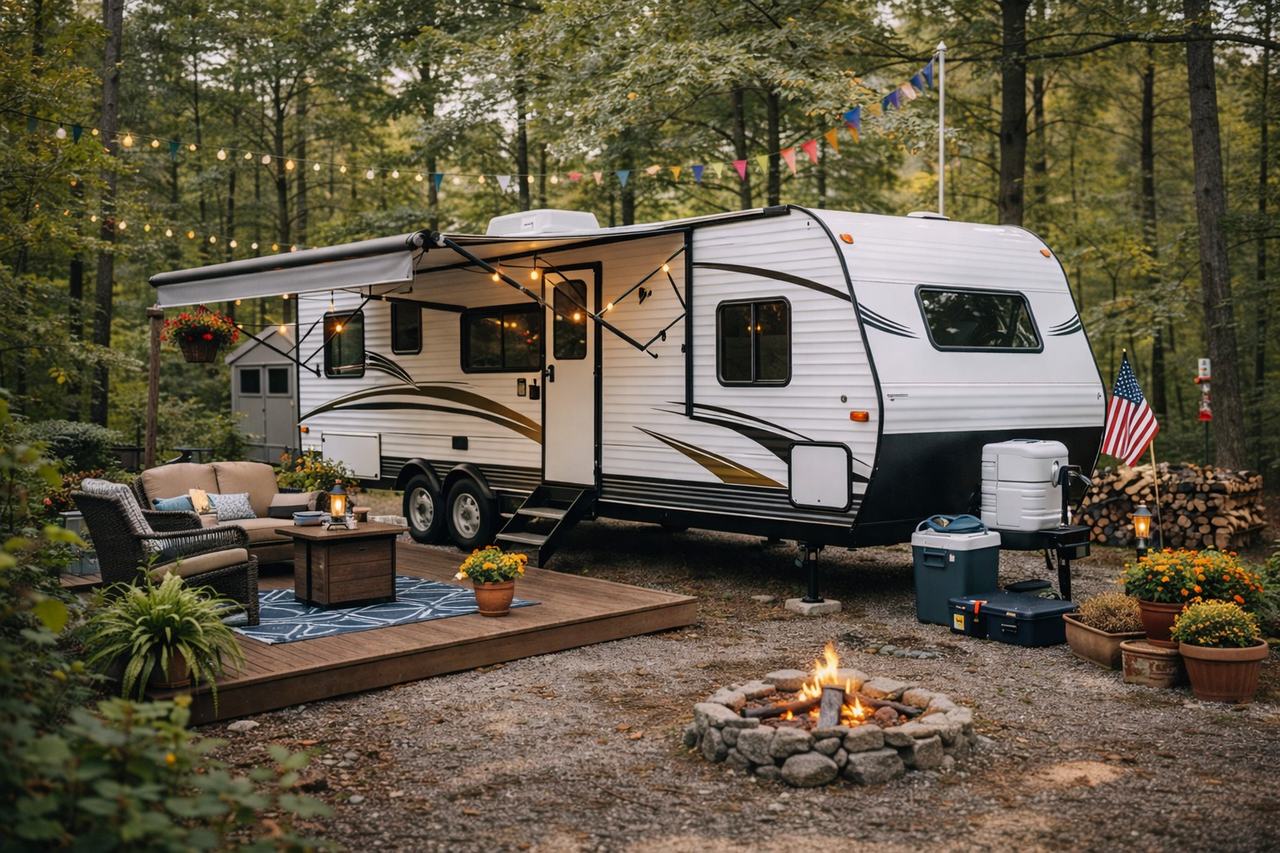
RV Insurance for Seasonal Use
Direct answer
What should I know about rv insurance for seasonal use?
RV Insurance for Seasonal Use is about understanding where coverage, exclusions, deductibles, limits and carrier rules can affect a household, property owner or business. The right answer usually depends on the property, assets, use case, claims history, risk tolerance and how the policy is written.
RV insurance for seasonal use is designed for owners who use their motorhome, camper, travel trailer, or fifth wheel only during certain parts of the year. Many recreational vehicles are used primarily during warmer months, vacation periods, or camping seasons and remain stored during the rest of the year.
Even when an RV is not actively being used, it can still face risks such as theft, weather damage, vandalism, and other unexpected events. Seasonal RV insurance helps protect the vehicle during both travel periods and storage periods throughout the year.
Most seasonal RV insurance policies include core protections such as RV collision coverage and RV comprehensive coverage along with liability coverage and optional endorsements depending on how the RV is used.
What seasonal RV use means
Seasonal RV use typically refers to recreational vehicles that are used for travel only during specific parts of the year, such as summer vacations, holiday trips, or seasonal camping trips. During the off season, the RV is often stored at home, in a storage facility, or at a campground.
Even though the RV may remain unused for several months, insurance protection is still important because damage or theft can occur during storage.
- Summer travel and camping trips
- Holiday vacation use
- Weekend recreational trips during warmer months
- Storage during winter or off season periods
Why seasonal RVs still need insurance
Many owners assume they can reduce or eliminate insurance coverage during the months when their RV is not in use. However, RVs remain exposed to risk even when they are parked or stored.
Risks during storage
- Storm or hail damage
- Theft of the RV or its components
- Vandalism
- Fire damage
- Falling branches or debris
Risks during travel season
- Accidents while driving or towing
- Damage at campgrounds
- Liability incidents involving guests
- Mechanical or roadside issues
These risks are addressed through protections such as collision coverage, comprehensive coverage, and vacation liability coverage.
Seasonal RV insurance vs full time RV insurance
Seasonal RV coverage is different from insurance designed for full time RV living. Seasonal policies assume the vehicle is used recreationally and not as a permanent residence.
- Seasonal RV use involves temporary travel and storage periods.
- Full time RV use means the RV is used as a primary residence.
Owners who live in their RV year round should review full time RV insurance and state specific guidance such as Missouri full time RV insurance and Kansas full time RV insurance.
Coverage considerations for seasonal RV owners
Seasonal RV owners often evaluate several coverage options depending on how frequently they travel and where the RV is stored during the off season.
- Physical damage coverage for the RV itself
- Liability coverage during travel
- Protection for belongings stored inside the RV
- Coverage during storage periods
- Optional roadside assistance
Learn more about related protections including RV personal effects coverage and RV roadside assistance coverage.
Insurance considerations for different RV types
Motorhomes
Motorhomes are self powered vehicles and require coverage similar to automobiles while also addressing the living components inside the vehicle. Seasonal motorhome owners often review liability, collision, and comprehensive protection carefully.
Learn more about: Missouri motorhome insurance and Kansas motorhome insurance.
Travel trailers and campers
Towable RVs may remain parked at seasonal campsites or storage facilities during much of the year. These vehicles may face risks related to weather exposure, theft, or vandalism.
See Missouri travel trailer insurance and Kansas travel trailer insurance.
How seasonal RV insurance affects policy cost
Seasonal RV insurance premiums depend on several factors including how the RV is used, where it is stored, and the type of coverage selected.
- Value of the RV
- Frequency of travel
- Storage location and security
- Selected deductible
- Coverage limits
For more pricing guidance, review how much RV insurance costs along with state specific resources including Missouri RV insurance cost and Kansas RV insurance cost.
Seasonal RV insurance within the RV coverage structure
Seasonal RV coverage is one part of a broader RV insurance plan. Owners often combine several forms of protection to address both travel and storage risks throughout the year.
Related RV insurance pages
Request an RV insurance quote
Seasonal RV use can still involve meaningful risk exposure throughout the year. Maintaining the right insurance coverage helps protect both the vehicle and the investment it represents.
We can help you compare RV insurance options and determine the right coverage structure for your travel habits and seasonal use.
Request your RV insurance quote
Coverage availability, limits, exclusions, deductibles, and eligibility vary by carrier and policy. This page provides general informational guidance and does not describe all terms or conditions of any specific insurance policy.
Frequently asked questions
What should I know about RV Insurance for Seasonal Use?
RV Insurance for Seasonal Use should be reviewed in the context of your actual risk, not only the lowest premium. Policy language, endorsements and carrier appetite can change the practical answer.
How can I avoid coverage gaps?
Share accurate property, vehicle, business or rental details with your agent, review exclusions and ask how deductibles and limits would apply in a realistic claim.
When should I request a review?
Request a review before renewals, after major purchases, after property changes, when adding rentals or vehicles, or any time your financial exposure changes.

Missouri and Kansas Insurance Agent
Work With Tracy Fitch
Missouri and Kansas clients can work with Tracy Fitch, a property and casualty licensed insurance agent with more than a decade of insurance experience. Tracy helps clients review coverage, compare options, request policy changes, and understand next steps for home, auto, landlord, umbrella, renters, boat, RV, and business insurance.
Office: 212 W Mill St, Liberty, MO 64068
Email tfitch@hensonagency.com or call 816-479-4189.