RV Insurance for Campground Living
Direct answer
What should I know about rv insurance for campground living?
RV Insurance for Campground Living is about understanding where coverage, exclusions, deductibles, limits and carrier rules can affect a household, property owner or business. The right answer usually depends on the property, assets, use case, claims history, risk tolerance and how the policy is written.
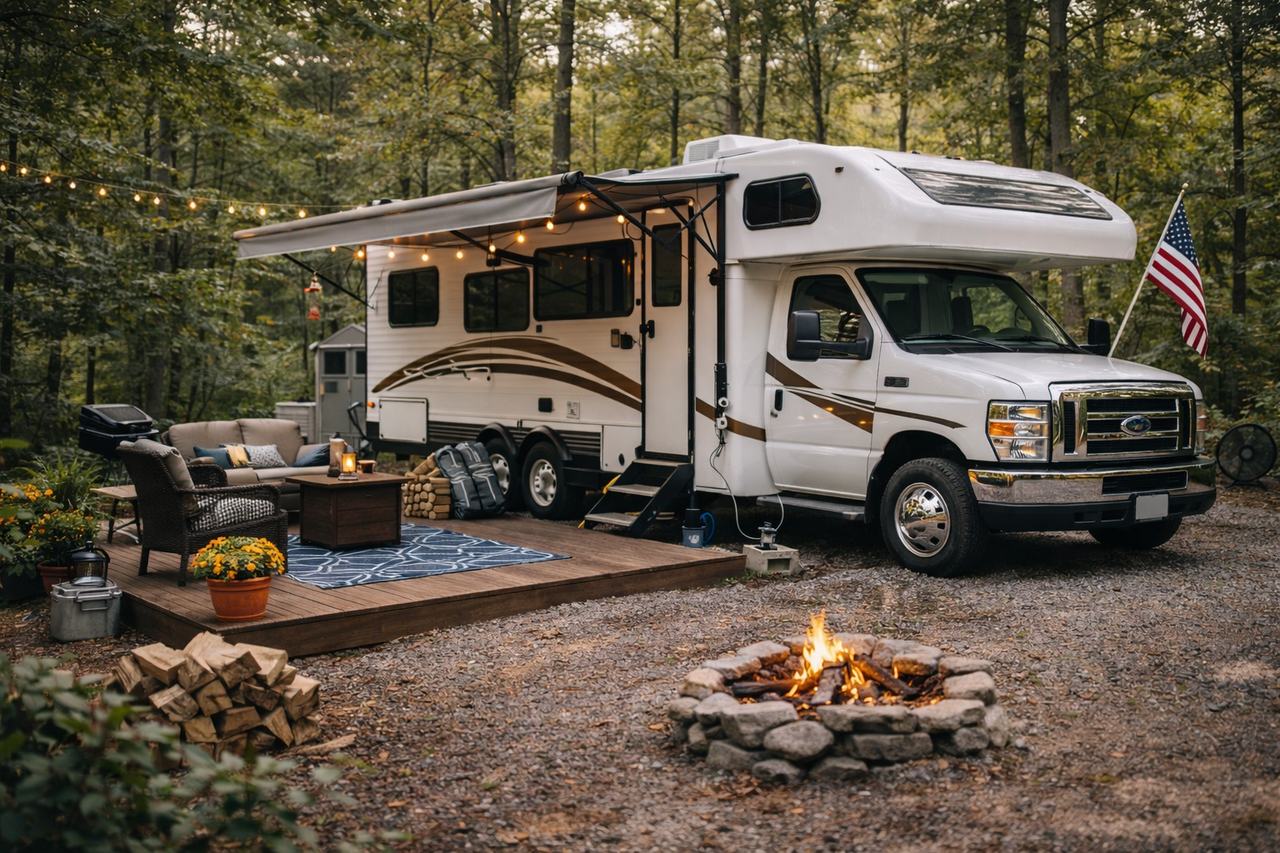
RV insurance for campground living is designed for owners who keep their motorhome, travel trailer, or fifth wheel parked at a campground for extended periods of time. Many RV owners spend weeks or months at a seasonal campsite, while others maintain a semi permanent RV site at a campground or resort.
When an RV remains parked at a campground for long periods, the insurance exposure changes. Liability risks, personal property protection, and physical damage concerns begin to resemble aspects of residential insurance rather than purely recreational travel coverage.
Coverage for campground living is often structured alongside core protections such as RV collision coverage, RV comprehensive coverage, and liability protections depending on how the RV is used.
What campground living means for RV insurance
Campground living usually involves keeping an RV parked at a campground or RV resort for extended periods, often connected to utilities such as water, electricity, and sewer. Some owners return to the same campground each season while others maintain a long term site throughout the year.
- Seasonal campground sites
- Extended stay RV parks
- Resort style RV communities
- Long term leased campground lots
Because the RV functions as a temporary residence during these periods, the insurance policy may need to account for residential style liability exposure.
Liability exposure at campgrounds
One of the biggest insurance considerations for campground living involves liability risk. Visitors, neighbors, or other campers could be injured near your RV site, which may create potential liability exposure.
Coverage for these situations may involve specialized protections such as RV vacation liability insurance, which provides liability coverage when the RV is parked and used as temporary lodging.
Examples of campground liability risks
- Guest injuries near the RV site
- Campfire related incidents
- Slip and fall accidents around the RV
- Damage to neighboring RV property
Why liability coverage matters
- Campgrounds may require proof of insurance
- Liability claims can involve medical costs
- Legal defense expenses may arise
- Protection for accidents involving guests
Physical damage risks while parked at a campground
Even when the RV is not being driven, physical damage can still occur while parked at a campground. Weather events, falling branches, or accidental damage from other campers can lead to costly repairs.
Protection against these events is typically handled through comprehensive coverage, while travel related accidents are addressed through collision coverage.
- Storm or hail damage
- Tree or branch impacts
- Fire or electrical damage
- Damage caused by neighboring RVs
Coverage for belongings stored in the RV
When an RV is used for extended stays at a campground, many owners store personal belongings inside the vehicle. Furniture, electronics, and recreational gear may remain in the RV throughout the camping season.
Protection for these belongings may be provided through RV personal effects coverage, which helps protect personal property stored in the RV from covered losses such as theft or fire.
Insurance considerations for different RV types
Motorhomes
Motorhomes used for campground living must address both driving exposure and residential style liability risks. Owners often review liability limits carefully when spending extended time at a campground.
Learn more about: Missouri motorhome insurance and Kansas motorhome insurance.
Travel trailers and fifth wheels
Towable RVs often remain parked at campground sites for long periods of time. While they may not be driven frequently, they can still face risks related to weather exposure, theft, or liability incidents involving visitors.
See Missouri travel trailer insurance and Kansas travel trailer insurance.
How campground living affects RV insurance cost
Insurance premiums for RVs used at campgrounds may depend on several factors related to how frequently the RV is used and where it is stored.
- Length of time the RV stays at the campground
- Location of the campground
- Value of the RV
- Selected liability limits
- Coverage options and deductibles
For more guidance on pricing, review how much RV insurance costs along with state specific pages such as Missouri RV insurance cost and Kansas RV insurance cost.
Campground living within the broader RV insurance structure
Insurance for campground living is part of a broader RV insurance strategy. Owners often combine multiple types of coverage to address liability exposure, physical damage risk, and protection for personal belongings.
Related RV insurance pages
Request an RV insurance quote
Spending extended time at a campground can change the insurance exposure associated with your RV. The right coverage structure helps protect both your vehicle and your liability exposure while enjoying extended stays at campgrounds.
We can help you compare RV insurance options and determine the appropriate coverage for campground living and seasonal use.
Request your RV insurance quote
Coverage availability, limits, exclusions, deductibles, and eligibility vary by carrier and policy. This page provides general informational guidance and does not describe all terms or conditions of any specific insurance policy.
Frequently asked questions
What should I know about RV Insurance for Campground Living?
RV Insurance for Campground Living should be reviewed in the context of your actual risk, not only the lowest premium. Policy language, endorsements and carrier appetite can change the practical answer.
How can I avoid coverage gaps?
Share accurate property, vehicle, business or rental details with your agent, review exclusions and ask how deductibles and limits would apply in a realistic claim.
When should I request a review?
Request a review before renewals, after major purchases, after property changes, when adding rentals or vehicles, or any time your financial exposure changes.

Missouri and Kansas Insurance Agent
Work With Tracy Fitch
Missouri and Kansas clients can work with Tracy Fitch, a property and casualty licensed insurance agent with more than a decade of insurance experience. Tracy helps clients review coverage, compare options, request policy changes, and understand next steps for home, auto, landlord, umbrella, renters, boat, RV, and business insurance.
Office: 212 W Mill St, Liberty, MO 64068
Email tfitch@hensonagency.com or call 816-479-4189.